


Shoulder Specialist Services in Singapore

At Centurion Orthopaedic Centre, our specialist doctors provide expert care for shoulder injuries and chronic pain. Whether you’re dealing with rotator cuff tears, frozen shoulder, impingement, arthritis, or dislocations, our experienced shoulder pain specialists in Singapore are here to help you recover and return to the life you love.
Comprehensive Shoulder Pain Treatment in Singapore
Shoulder discomfort may settle with rest, but ongoing or recurring symptoms often signal an underlying issue. Early diagnosis helps prevent the problem from worsening and supports quicker recovery.
At Centurion Orthopaedic Centre, our experienced surgeons provide evidence based care and personalised shoulder pain treatment patients can rely on.
You should consider seeing a shoulder specialist if you notice:
- Pain or stiffness that does not improve
- Difficulty lifting, reaching or rotating your arm
- Pain spreading to the neck or upper arm
- A sense of instability or repeated dislocations
- Weakness that affects daily tasks
A specialist assessment can help identify the cause and recommend the most appropriate next steps.
Meet Our Shoulder Specialists in Singapore
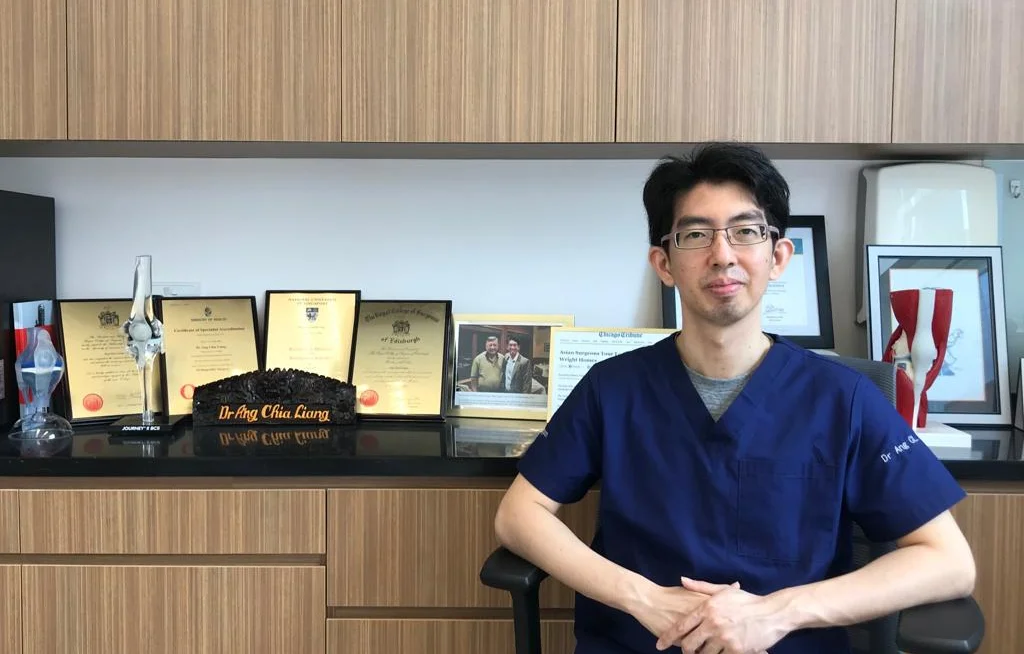
Dr Bruce Ang Chia Liang
Dr Bruce Ang is an experienced shoulder specialist in Singapore with advanced training in orthopaedic surgery and sports medicine. He is dedicated to helping patients recover from shoulder injuries and chronic pain through comprehensive, individualised treatment plans.
Shoulder Subspecialties:
- Arthroscopic (keyhole) shoulder surgery
- Rotator cuff repair and reconstruction
- Sports shoulder injuries and athletic shoulder care
- Shoulder instability and dislocation treatment
- Minimally invasive shoulder procedures
Read more about Dr Bruce Ang here.
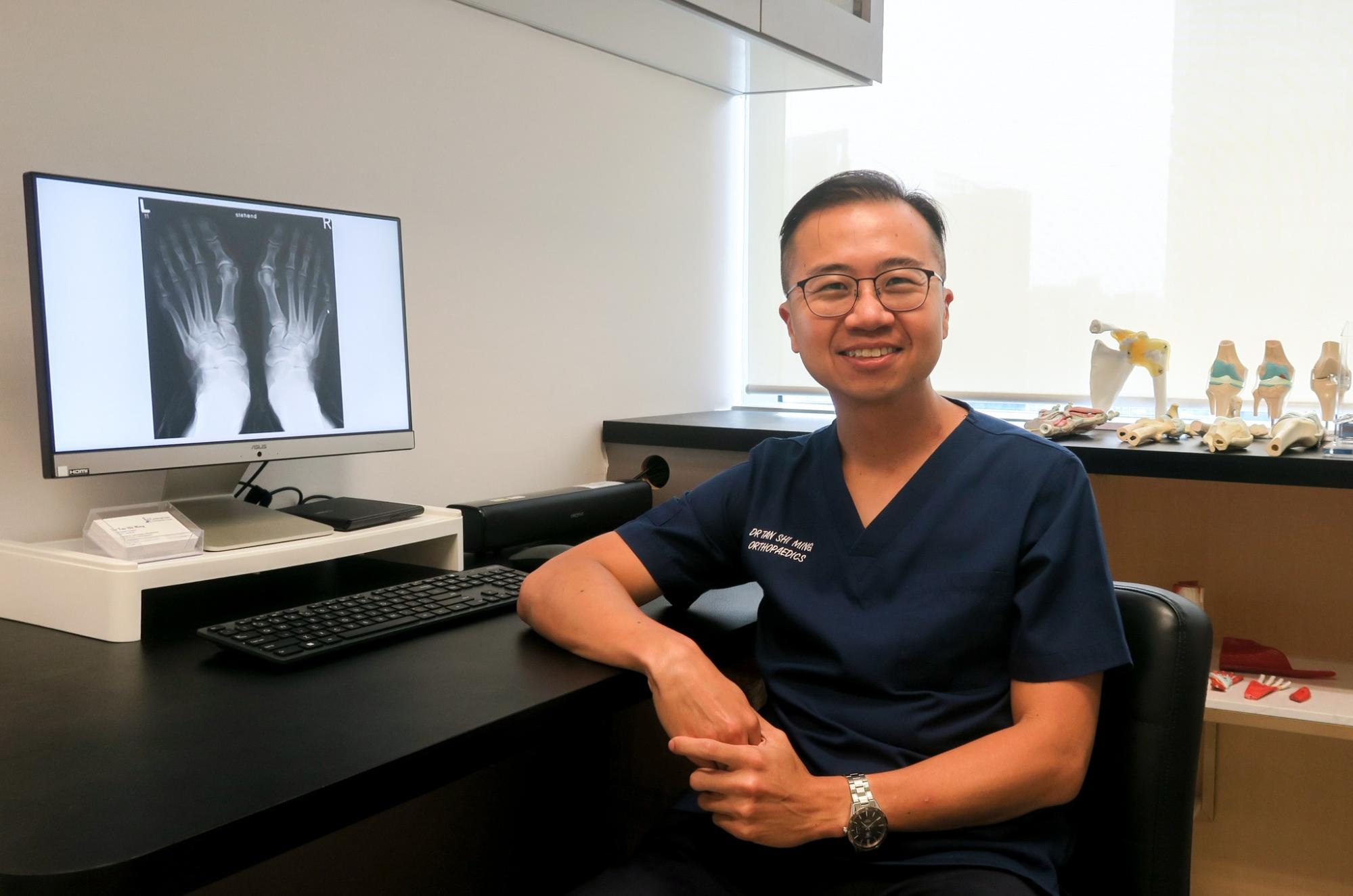
Dr Tan Shi Ming
Dr Tan Shi Ming is a skilled shoulder pain specialist with expertise in both surgical and non-surgical management of shoulder conditions. His approach focuses on evidence-based treatment and personalised rehabilitation to ensure the best possible recovery for each patient.
Shoulder Subspecialties:
- Complex shoulder arthroscopy
- Frozen shoulder treatment and release
- Shoulder arthritis management
- Shoulder joint replacement surgery
- Rotator cuff tears and tendon repairs
Read more about Dr Tan Shi Ming here.
When to See a Shoulder Pain Specialist
Pain Symptoms That Require Medical Attention
You should consult a doctor if you experience:
- Persistent shoulder pain lasting more than a few weeks
- Pain radiating to the neck or upper arm
- Pain that worsens at night or when lying on the affected shoulder
- Sharp pain at certain angles or when carrying items
- Pain that interferes with sleep or daily activities
Functional Limitations
Seek professional help if you notice:
- Difficulty lifting or rotating your arm
- Weakness when performing overhead activities
- Reduced range of motion in the shoulder joint
- Clicking, popping, or grinding sensations accompanied by pain
- Inability to perform routine tasks like dressing or reaching
Injury Related Symptoms to Watch For
Immediate evaluation is necessary for:
- Sudden shoulder dislocation or feeling that the joint has “popped out”
- Visible swelling, bruising, or deformity
- Severe pain following a fall or direct impact
- Complete inability to move the shoulder
- Suspected fracture or serious injury
Don’t delay – consult a Shoulder Pain Specialist in Singapore for early diagnosis and treatment to prevent complications and achieve the best recovery outcomes.
Diagnosis of Shoulder Conditions
Accurate diagnosis is essential for effective shoulder pain treatment. Our specialists use a combination of methods to diagnose shoulder conditions including X-rays (to assess bone alignment and identify any fractures); MRI (to evaluate soft tissues surrounding the shoulder); and physical examination (to assess range of motion, identify pain points, and evaluate muscle strength and stability).
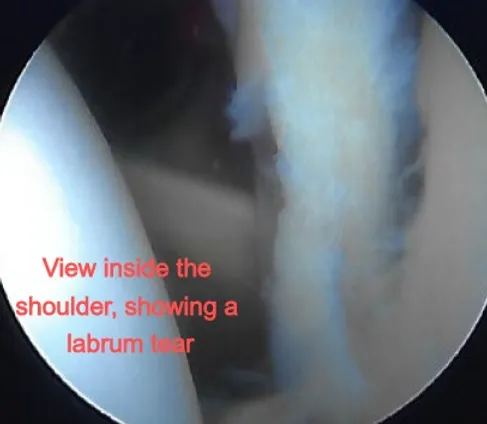
Common Shoulder Pain Conditions We Treat
Our shoulder specialists in Singapore have extensive experience diagnosing and treating a comprehensive range of conditions. Whether your pain stems from an acute injury, overuse, or degenerative changes, we provide targeted treatment to address the root cause.
Rotator Cuff Tear
- Causes: Rotator cuff tears may result from acute injuries, such as falls or sports injuries, or from gradual wear and tear over time. Repetitive overhead activities and heavy lifting are common contributing factors.
- Symptoms: Key symptoms include pain (particularly when lifting the arm or lying on the affected side at night), weakness, and a limited range of motion. Some individuals may also experience a clicking or popping sensation in the shoulder.
- Potential Complications: If left untreated, rotator cuff tears can lead to chronic pain, muscle atrophy, and difficulty with daily activities. In severe cases, the condition may progress to rotator cuff arthropathy, a form of arthritis in the shoulder joint caused by untreated tears.
- Treatment: Rotator cuff repair options depend on the severity of the tear and may include physiotherapy, corticosteroid injections, or arthroscopic (keyhole) surgery for repair.
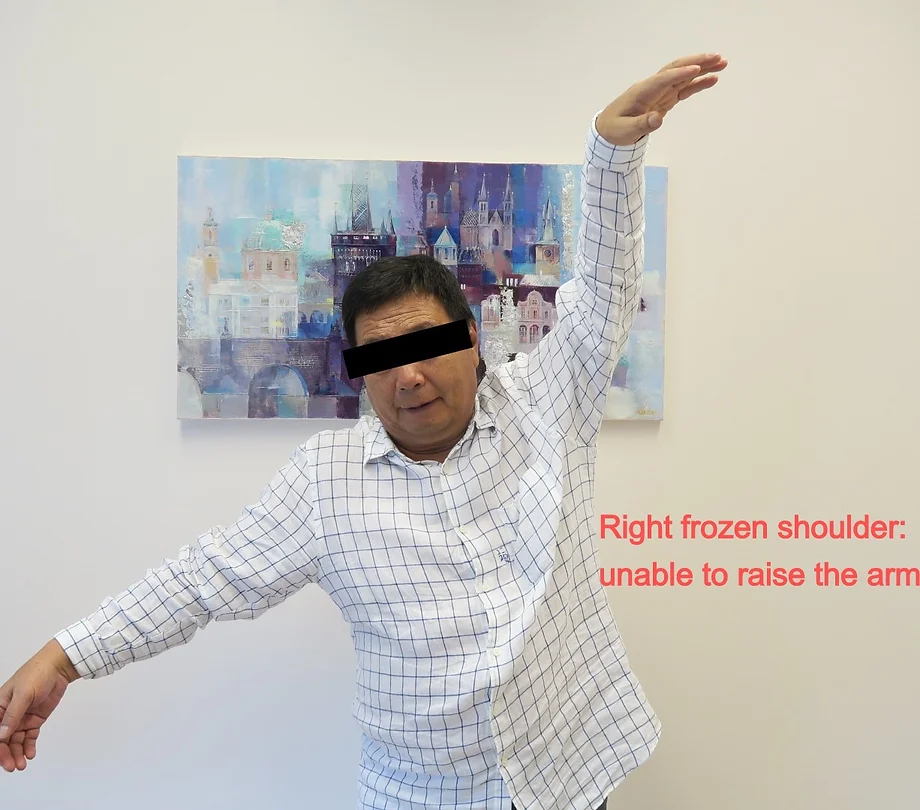
Frozen Shoulder
- Causes: The exact cause of frozen shoulder remains unclear, but it often develops after an injury or surgery that immobilises the shoulder. It is more prevalent in individuals with diabetes or thyroid disorders and can sometimes occur spontaneously in people in their 50s.
- Symptoms: Frozen shoulder is characterised by significant stiffness, pain, and a severely reduced range of motion in the shoulder joint, making daily tasks such as dressing or reaching overhead challenging.
- Progression: The condition typically follows three stages:
- Freezing: Increasing pain and stiffness.
- Frozen: Persistent stiffness with some pain reduction.
- Thawing: Gradual improvement in mobility and reduction in symptoms.
- Potential Complications: While frozen shoulder often resolves on its own (usually within 1-2 years), it may lead to long-term stiffness or pain if not properly managed.
- Treatment: Management focuses on pain relief and restoring mobility through physiotherapy, medications, and occasionally minimally invasive procedures like hydrodilatation or arthroscopic surgery.
Shoulder Impingement
- Causes: Shoulder impingement occurs when the tendons surrounding the shoulder joint (rotator cuff tendons) are compressed by the acromion bone, leading to pain and inflammation. It is common among individuals aged 20–50 and may result from activities like heavy lifting, repetitive overhead movements, or sports.
- Symptoms: Pain is typically worse when lifting the arm overhead or reaching behind the back. Weakness, stiffness, and reduced range of motion are also common.
- Potential Complications: If untreated, shoulder impingement can lead to more severe conditions such as frozen shoulder, rotator cuff tears, or bursitis (inflammation of the bursa).
- Treatment: Initial treatment includes rest, ice application, physiotherapy, medications, and corticosteroid injections. For persistent cases, shoulder arthroscopy may be performed to shave down the acromion bone and decompress the affected tendons.
Shoulder Arthritis
- Causes: Shoulder arthritis is caused by the degeneration of cartilage in the shoulder joint, leading to pain, stiffness, and limited movement. This can be due to wear and tear or inflammatory conditions (e.g. rheumatoid arthritis).
- Symptoms: Pain, stiffness, and a grinding sensation in the shoulder are common symptoms.
- Progression/Development: Arthritis can progress gradually over time, leading to increasing pain and disability. Severe arthritis can significantly limit daily activities and quality of life.
- Treatment: Treatment options include medications, injections, physiotherapy, and in advanced cases, shoulder joint replacement surgery.
Shoulder Dislocation
- Causes: Shoulder dislocations occur when the ball of the upper arm bone pops out of the socket. They are usually caused by a sudden injury, such as a fall or a direct blow to the shoulder.
- Symptoms: A dislocated shoulder will appear visibly deformed, and there will be severe pain, swelling, and inability to move the arm.
- Potential Complications: Recurrent dislocations can lead to instability and damage to the surrounding tissues.
- Treatment: Shoulder dislocation is a very common injury that can be treated with or without surgery. This depends on the patient’s age and activity requirement, and whether the shoulder recurrently dislocates. Shoulder dislocation treatment typically involves putting the bone back into place (reduction), followed by immobilisation and rehabilitation. For more severe first-time dislocations, or recurrent dislocations, surgery may be necessary to stabilise the joint.
Non-Surgical Treatments for Shoulder Pain
In milder cases, shoulder pain can be effectively managed with non-surgical treatments. These include:
- Physiotherapy: A cornerstone of shoulder pain treatment, physiotherapy focuses on strengthening exercises, improving flexibility, and restoring normal movement patterns.
- Injections: Steroid injections can help reduce inflammation and pain, while biological tissue-healing injections can stimulate the body’s natural healing process.
- Ultrasoundtherapy: This non-invasive treatment can be effective for conditions like shoulder impingement or bursitis.
Our shoulder pain specialist can assess your symptoms and recommend suitable non-surgical treatments.
Diagnosis of Shoulder Pain Conditions
Accurate diagnosis is the foundation of effective shoulder pain treatment. Our specialists in Singapore use a systematic approach combining clinical expertise with advanced diagnostic tools to identify the exact cause of your symptoms.
Physical Examination by a Shoulder Specialist
During your initial consultation, the doctor will conduct a comprehensive physical examination that includes:
- Range of Motion Tests: Assessing how far and in which directions you can move your shoulder
- Strength Assessment: Evaluating muscle strength and identifying areas of weakness
- Stability Analysis: Testing for joint instability, clicking, or abnormal movement patterns
- Functional Assessment: Observing how your shoulder performs during daily activities and specific movements
- Palpation: Checking for areas of tenderness, swelling, or structural abnormalities
In-Clinic Diagnostic Imaging
When necessary, diagnostic imaging helps visualise the internal structures of your shoulder:
- X-ray: Assesses bone alignment, identifies fractures, detects arthritis, and evaluates joint spacing
- Ultrasound: Provides real-time imaging of soft tissues, tendons, and can guide injection procedures
- MRI (Magnetic Resonance Imaging): When needed, MRI offers detailed views of soft tissues, including rotator cuff tendons, ligaments, cartilage, and the labrum
Why Accurate Diagnosis Matters
Proper diagnosis is essential to:
- Prevent Worsening: Early identification stops minor issues from developing into chronic, debilitating conditions
- Enable Personalised Treatment: Understanding the specific condition allows your specialist to tailor treatment to your unique needs
- Ensure Faster Recovery: Targeted treatment based on accurate diagnosis leads to more efficient healing and return to activities
- Avoid Unnecessary Procedures: Precise diagnosis helps avoid trial-and-error approaches or inappropriate interventions
Shoulder Pain Treatment Options
Treatment for shoulder pain varies depending on the specific condition, severity, and your individual circumstances. At Centurion Orthopaedic Centre, we offer both non-surgical and surgical treatment options, always prioritising the least invasive effective approach for optimal recovery.
Non-Surgical Shoulder Pain Treatment
For many shoulder conditions, conservative treatment can effectively relieve pain and restore function without surgery. Non-surgical options include:
- Physiotherapy Programmes: Customised exercise plans to strengthen shoulder muscles, improve flexibility, and restore normal movement patterns
- Anti-inflammatory Medications: Prescription or over-the-counter medications to reduce pain and inflammation
- Steroid Injections: Targeted corticosteroid injections to reduce inflammation and provide pain relief
- Biological Tissue-Healing Injections: Advanced treatments such as PRP (platelet-rich plasma) injections and other regenerative therapies to stimulate natural healing
- Ultrasound Therapy: Non-invasive treatment using sound waves to promote healing and reduce inflammation
- Activity Modifications: Guidance on adjusting daily activities and work ergonomics to reduce shoulder strain
- Taping and Support Options: Therapeutic taping techniques and bracing to support the shoulder during healing
Our shoulder pain specialists will assess your symptoms and recommend the most suitable non-surgical treatments for your condition.
Surgical Shoulder Pain Treatment
When non surgical treatments don’t provide adequate relief, or when the structural damage is severe, surgery may be necessary. Surgical intervention is typically recommended for:
- Severe or complete rotator cuff tears
- Frozen shoulder that doesn’t respond to conservative treatment
- Advanced shoulder arthritis causing significant disability
- Severe or recurrent shoulder dislocations
- Persistent impingement that limits function
- Labral tears causing instability
- Biceps tendon issues with ongoing pain
Common Surgical Procedures:
- Arthroscopic (Keyhole) Surgery: Minimally invasive technique used for the vast majority of shoulder operations, including rotator cuff repairs, impingement syndrome treatment, frozen shoulder release, labral repairs, and stabilisation procedures for recurrent dislocations. This approach involves smaller incisions, less tissue disruption, and typically faster recovery
- Shoulder Joint Replacement Surgery: For end-stage shoulder arthritis or severe joint degeneration, shoulder replacement (arthroplasty) can significantly relieve pain and restore function, similar to hip replacement or knee replacement procedures
Our experienced surgeons specialise in minimally invasive techniques that promote faster healing and better outcomes. We’ll discuss all surgical options, expected results, and recovery timelines with you before proceeding.
Recovery and Rehabilitation for Shoulder Pain
Recovery is a crucial phase of shoulder pain treatment in Singapore. The timeline and approach vary depending on your specific condition and the treatment received. Our team provides comprehensive support throughout your recovery journey.
Recovery After Non-Surgical Treatment
Expected Timelines:
- Patients can notice improvement within 3–6 weeks of starting physiotherapy, if physiotherapy is sufficient to manage the condition
- Conditions like shoulder impingement may resolve within 3–4 months with consistent treatment
- Frozen shoulder managed conservatively can take 6 months to 2 years for full resolution
What Improvements to Expect:
- Gradual reduction in pain levels
- Increased range of motion
- Improved strength and function
- Better ability to perform daily activities
- Reduced need for pain medications
Regular follow up appointments allow your doctor to monitor progress and adjust treatment as needed.
Recovery After Shoulder Surgery
Timeline Varies by Procedure:
- 4–6 weeks: For procedures that don’t involve tissue repair (such as frozen shoulder release or impingement surgery), patients typically regain good range of motion within this timeframe
- 2–4 months: Procedures requiring tissue repair, such as rotator cuff or labral repairs, need longer healing periods to achieve comparable progress and full return to activities
- 3–6 months: Complete recovery for athletes or those with high physical demands
Phased Physiotherapy Plan:
- Early Phase (Weeks 1–6): Focus on protecting healing tissues whilst maintaining gentle range of motion
- Intermediate Phase (Weeks 6–12): Progressive strengthening exercises and increasing functional activities
- Advanced Phase (3–6 months): Sport-specific training, return to work activities, and final strengthening
- Maintenance: Long-term exercises to maintain shoulder health
Your surgeon and physiotherapist will work together to create a personalised rehabilitation programme tailored to your surgery and goals.
Long Term Shoulder Health and Prevention
After recovery, maintaining shoulder health is essential to prevent recurrence:
Strengthening: Continue exercises targeting the rotator cuff and shoulder stabiliser muscles to maintain strength and support
Posture Correction: Address poor posture habits at work and home that contribute to shoulder strain. Our team can advise on ergonomic adjustments for your workspace
Preventing Recurrence:
- Warm up properly before physical activities
- Avoid repetitive overhead movements when possible
- Maintain healthy body weight to reduce joint stress
- Address any shoulder discomfort early before it worsens
- Regular follow-up with your shoulder specialist as recommended
Similar to other joint conditions like knee pain, hip pain, or elbow pain, proactive care and lifestyle modifications can significantly reduce the risk of future shoulder problems.
Frequently Asked Questions About Shoulder Pain Treatment
What are the most common causes of shoulder pain?
Shoulder pain can arise from various factors, with the most common being rotator cuff injuries, frozen shoulder, shoulder impingement, and shoulder arthritis. Other causes include:
- Tendonitis
- bursitis,
- Dislocations
- Fractures
Overuse of repetitive motions, poor posture and sudden injuries can also contribute to it. In some cases, shoulder pain may be referred to from issues in the neck or upper back.
Can frozen shoulder resolve without surgery?
Yes. In many cases, frozen shoulder can improve without surgery, especially when treated early. The condition typically passes through three stages:
- Freezing stage – increasing pain and stiffness
- Frozen stage – persistent stiffness with reduced pain
- Thawing stage – gradual return of movement
With appropriate non surgical management, such as:
- Physiotherapy
- Medications
- Targeted injections
Most individuals eventually regain good range of motion and experience significant relief.
However:
- Frozen shoulder may take up to two years to resolve with conservative treatment
- Delayed care can lead to prolonged stiffness and a longer recovery period
If symptoms do not improve with non surgical options, a minimally invasive arthroscopic release may be recommended to help restore mobility more quickly.
How long is the recovery after shoulder surgery?
Recovery time after shoulder surgery varies depending on the type of procedure and individual healing.
For minimally invasive arthroscopic procedures without tissue repair (e.g. frozen shoulder release, impingement surgery)
- Most patients regain good range of motion within 4–6 weeks
For procedures involving tissue repair (e.g. rotator cuff reconstruction, labrum repair)
- Recovery usually takes 3–6 months for meaningful improvement in mobility and strength
For shoulder joint replacement surgery
- Full recovery may take several months to a year, depending on the extent of surgery and rehabilitation progress
For all procedures, optimal recovery depends on:
- Following your surgeon’s post operative instructions
- Attending physiotherapy consistently
- Increasing activity levels gradually and safely
Is shoulder pain treatment covered by insurance or Medisave?
Coverage for shoulder treatment in Singapore varies depending on your insurance plan and the type of care required.
In general:
- Many insurance plans and Medisave may cover consultations
- Diagnostic tests such as X rays, ultrasound and MRI may be claimable
- Medication and physiotherapy sessions are often eligible
- Surgical procedures may be covered, subject to policy terms
Our centre can assist with:
- Pre authorisation checks
- Insurance enquiries
- Clarifying claim limits and eligibility
Patients are encouraged to contact their insurance provider directly to confirm specific coverage. Our administrative team is available to guide you through the process.
Can shoulder pain be treated at home initially?
For mild shoulder discomfort caused by minor strain or overuse, some initial home measures may help:
Home care options include:
- Resting the shoulder and avoiding aggravating activities
- Applying ice for 15–20 minutes several times a day
- Using over the counter anti inflammatory medication if suitable
- Performing gentle range of motion exercises to prevent stiffness
However, seek specialist assessment if you notice:
- Pain that does not improve after a few days
- Increasing discomfort or swelling
- Weakness or difficulty moving the shoulder
- Any symptoms following a fall or injury
Early evaluation helps prevent minor problems from developing into longer term conditions.
What tests will I need on my first visit?
During your first consultation, the shoulder specialist will carry out a thorough physical examination, including:
- Range of motion
- Strength and stability
- Functional movement patterns
- Review of your symptoms and medical history
Depending on the findings, imaging may be recommended. This can include:
- X rays to assess bones and joint alignment
- Ultrasound for real time evaluation of soft tissues
- MRI for detailed assessment when needed
Not every patient requires imaging on the first visit. Your specialist will advise the most appropriate approach based on your condition.
What is the cost of shoulder pain treatment in Singapore?
The cost of shoulder treatment in Singapore varies depending on your condition and the type of care required.
In general:
- Consultations, physiotherapy and injections are usually more affordable than surgery
- Surgical fees depend on the procedure, anaesthesia, facility charges and post operative care
- Costs can differ between public and private healthcare settings
- Insurance coverage and Medisave eligibility may help offset expenses
At Centurion Orthopaedic Centre, you will receive a clear cost breakdown during your consultation based on your diagnosis and recommended treatment. Our team also assists with Medisave claims and insurance pre authorisations to make the process easier.
Contact Us
For expert guidance and personalized care, reach out to us—your first step towards a pain-free life with Centurion Orthopaedic Centre.
38 Irrawaddy Rd, #07-40 Mount Elizabeth Novena Hospital Specialist Centre, Novena, Singapore 329563
We are a 3-min walk from Novena MRT Station. Take Exit A from the station.
1 Farrer Park Station Road, #14-09/10 Connexion, Singapore 217562
Contact Information
38 Irrawaddy Rd, #07-40 Mount Elizabeth Novena Hospital Specialist Centre, Novena, Singapore 329563
Opening Hours
Mon-Fri: 9am to 6pm
Sat: 9am to 1pm
Emergency consults, Call/Text/WhatsApp: 9623 7153
Please submit your inquiry in English or Mandarin using the form below. We will respond to your query as soon as possible.