


PRP for Knees: The Complete Guide to Platelet-Rich Plasma Therapy for Joint Pain Relief in Singapore
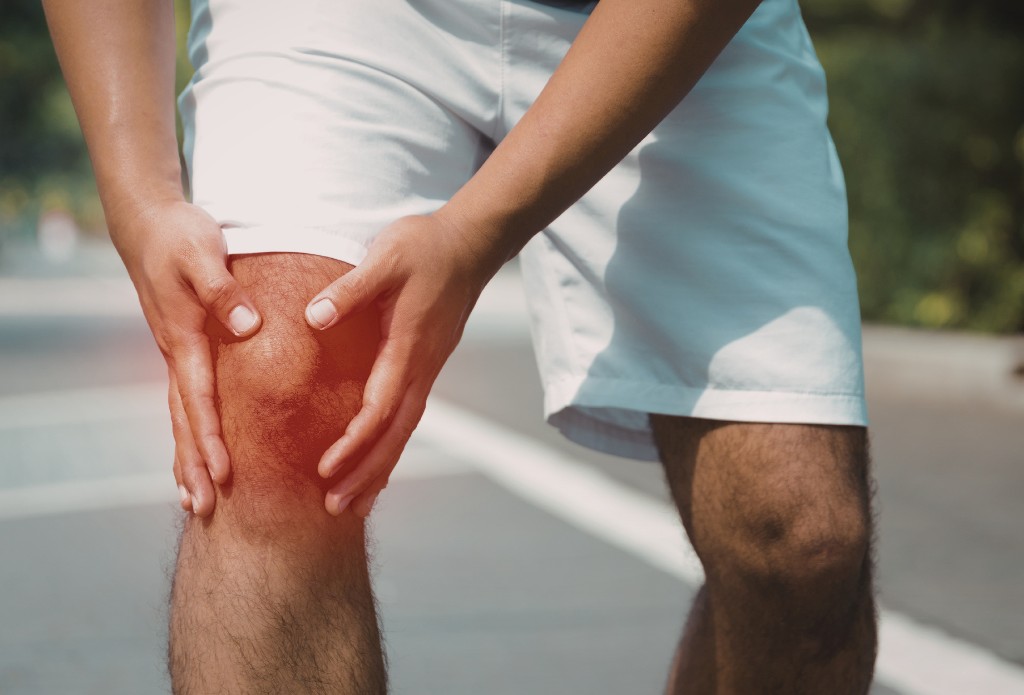

Platelet-rich plasma (PRP) therapy has become an increasingly common regenerative medicine treatment for a variety of joint conditions affecting the knee, hip, ankle, shoulder, elbow and wrist conditions. This non-surgical option is suitable for individuals struggling with joint pain, particularly those with osteoarthritis or sports-related injuries in the knee.
PRP has been utilized widely in orthopaedic treatments for the last 15 – 20 years, with growing high-level medical literature supporting its effectiveness. In this article, we will discuss the different aspects of PRP therapy, from how it works to its potential benefits in helping you recover and regain the mobility of the knee joint.
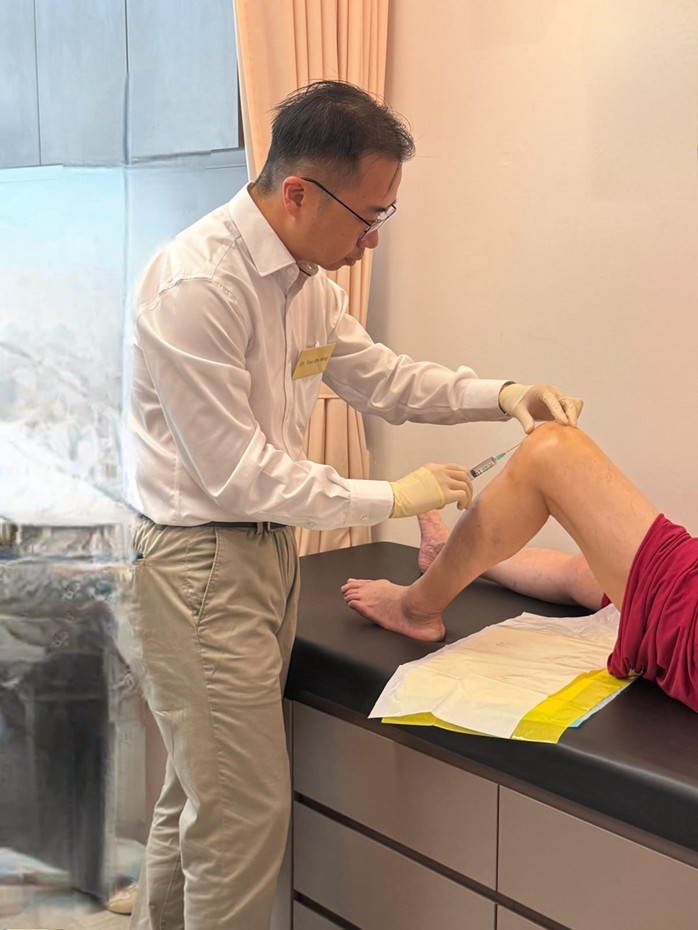 Figure 1 – Dr Tan Shi Ming injecting a patient’s knee with joint condition
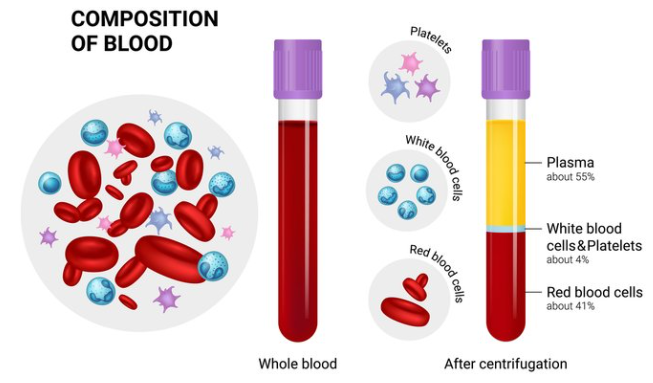 Figure 2 – Blood sample before centrifugation and after centrifugation
PRP is essentially autologous plasma with a platelet concentration that is about five times greater than baseline blood levels. Platelets contain growth factors (also known as healing factors).
With an increased concentration of platelets within a small volume of plasma, PRP releases an enhanced concentration of growth factors within a localized tissue or region when injected. PRP injections into areas like the knee joints promotes healing and tissue repair of the injured tissues.
Figure 2 – Blood sample before centrifugation and after centrifugation
PRP is essentially autologous plasma with a platelet concentration that is about five times greater than baseline blood levels. Platelets contain growth factors (also known as healing factors).
With an increased concentration of platelets within a small volume of plasma, PRP releases an enhanced concentration of growth factors within a localized tissue or region when injected. PRP injections into areas like the knee joints promotes healing and tissue repair of the injured tissues.
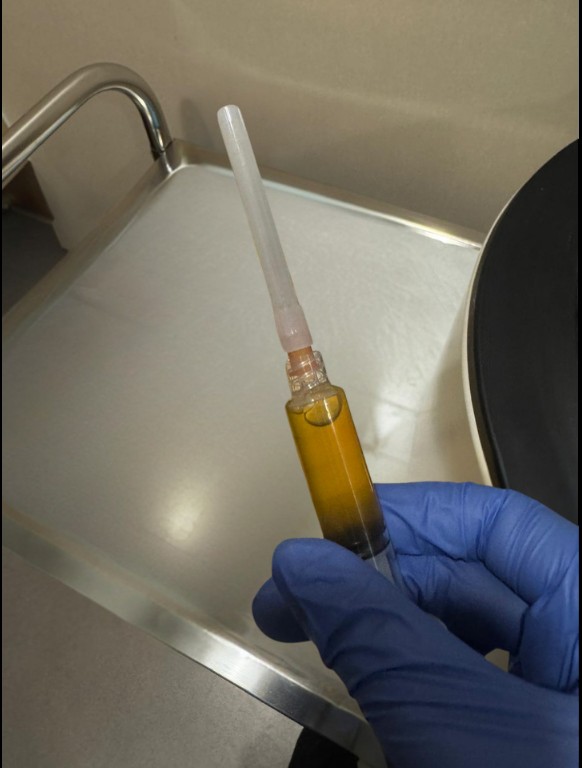 Figure 3 – A preparation of PRP after centrifugation
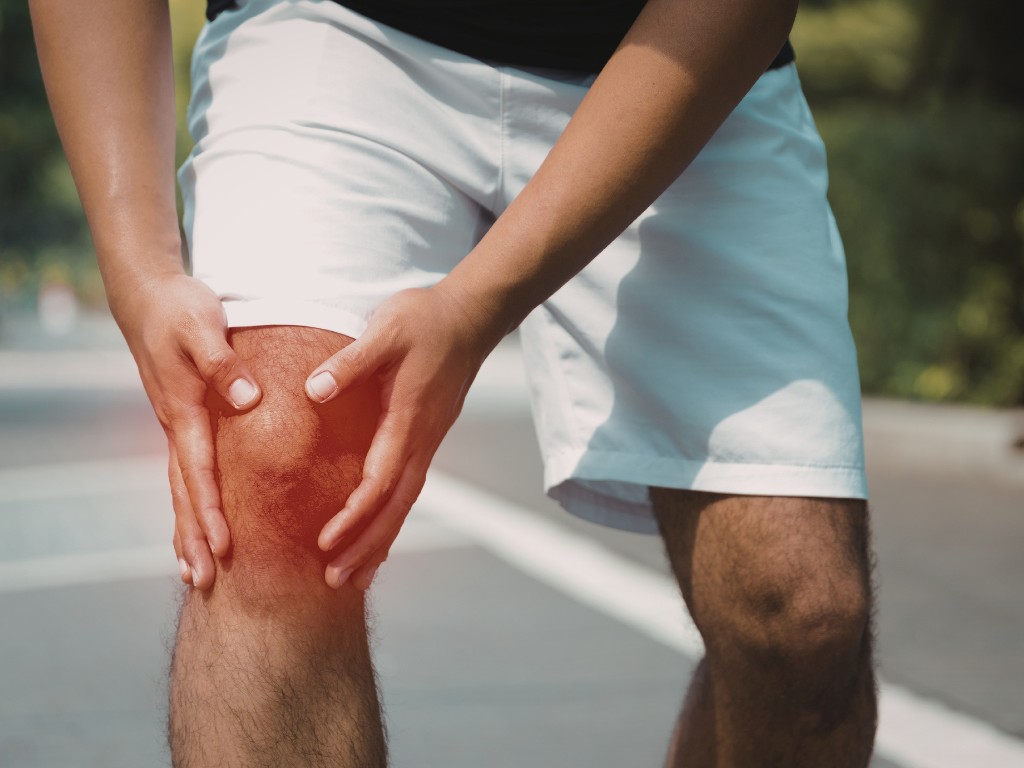 Figure 4 – PRP can benefit patients with osteoarthritis and soft tissue injuries
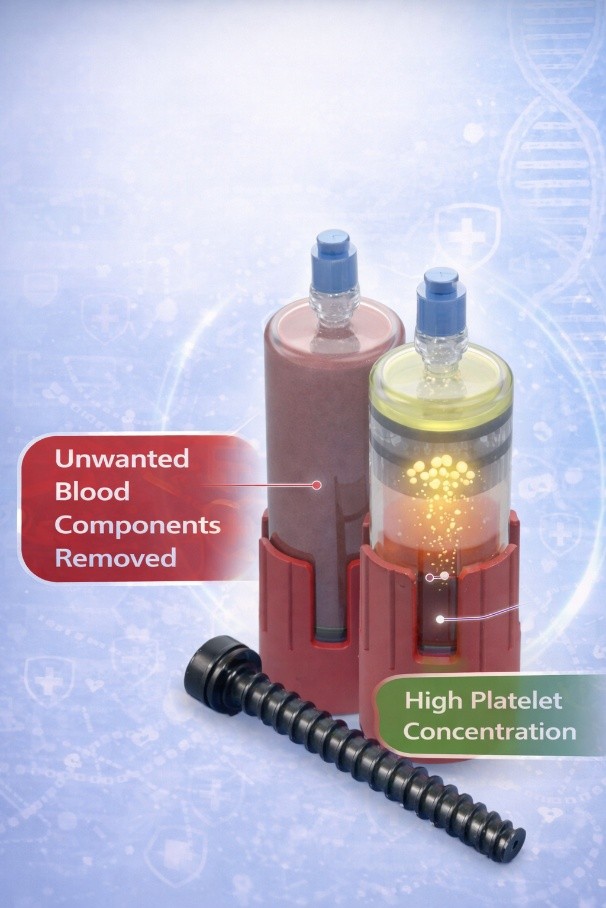 Figure 5 – Modern PRP preparation system that delivers high platelet concentration while minimizing unwanted blood components for a cleaner injectate.
Figure 1 – Dr Tan Shi Ming injecting a patient’s knee with joint condition
What is Platelet-Rich Plasma Therapy (PRP)?
PRP is derived from an individual’s own blood. Blood has various components, the main one being plasma. Plasma is the liquid component of blood and makes up to 55% of its total volume. It is the yellow-coloured fluid in which cellular components such as red blood cells, white blood cells and platelets are suspended in. The constituents of plasma itself include- Water (up to 90% of its volume)
- Electrolytes
- Proteins
- Nutrients (e.g. glucose)
- Hormones
Figure 2 – Blood sample before centrifugation and after centrifugation
PRP is essentially autologous plasma with a platelet concentration that is about five times greater than baseline blood levels. Platelets contain growth factors (also known as healing factors).
With an increased concentration of platelets within a small volume of plasma, PRP releases an enhanced concentration of growth factors within a localized tissue or region when injected. PRP injections into areas like the knee joints promotes healing and tissue repair of the injured tissues.
How PRP Works
- Blood-Taking: A small amount of blood is drawn from the patient, similar to any routine blood tests. This can be done in the clinic setting.
- Processing:. The blood is placed into a special tube and then put into a centrifuge machine, which spins for 10-15 minutes. This process separates out the different components of blood into different layers, allowing for the platelet-rich plasma layer to be obtained.
- Injection: The concentrated platelet-rich plasma is injected into the affected joint or area.
- Healing Response: Once injected, the concentrated platelets within plasma will release growth factors in high quantities to enhance tissue healing and regeneration.
Figure 3 – A preparation of PRP after centrifugation
Benefits of PRP procedures
- Quick
- Uses the patient’s own blood (low risk of rejection)
- Minimally invasive
- Short recovery time (compared to surgical interventions)
- Helps to trigger and enhance recovery from common joint conditions
Who is a Good Candidate for PRP injections?
- Patients with the following joint conditions: Mild to Moderate Knee Osteoarthritis
- Tendinopathies and Tendonitis
- Ligamentous Strains and Partial Tears
- Meniscal Injuries
- Patients who have failed conservative treatments such as physiotherapy, oral medications, knee bracing / support, corticosteroid injections or joint supplementation
- Patients who may not be suitable for surgery
Effectiveness of PRP in the Knee Joint
- Osteoarthritis: Extensive studies involving large volume of patients have shown that PRP can improve symptoms such as pain, swelling, stiffness and loss of range of motion in mild to moderate knee osteoarthritis. Some studies have also shown to delay the need for surgical intervention in moderate arthritis.
- Soft Tissue Injuries: Research has shown positive outcomes with the use of PRP in treating tendon and ligament injuries. Good outcomes are notably seen with PRP treatment in conjunction with bracing for ligamentous strains and partial tears, tendonitis and mild to moderate meniscal injuries.
Figure 4 – PRP can benefit patients with osteoarthritis and soft tissue injuries
Risks and Side Effects
As with all medical procedures, there are associated risks. As a minimally invasive treatment option, these risks are low and the PRP procedure is generally considered to be safe. The side effects are also minor when compared to surgical interventions.- Risks: Infection, minor bleeding, possible neurovascular injuries
- Side Effects: Temporary pain, swelling, or bruising at the injection site.
Recent Advancements in PRP formulations
In recent years, PRP technology has seen several advancements. Modern systems offer some key advantages:- Patented cell capture technology: allows for tailored PRP formulations based on patient needs
- Higher Platelet Yield: Up to 16 times the baseline platelet concentration
- Cleaner PRP: By reducing hematocrit and neutrophils, unwanted blood components are minimized, which can reduce side effects such as post-injection swelling. This is particularly beneficial for knee joint applications.
- Efficient Processing: Processes 20–80 ml of blood in about 15 minutes without requiring specialized equipment.
- Reduced Contamination Risk: Needleless injection ports further minimize the risk of contamination.
Figure 5 – Modern PRP preparation system that delivers high platelet concentration while minimizing unwanted blood components for a cleaner injectate.
Conclusion
PRP has emerged as an important regenerative medicine treatment over the past 3 decades. It is very useful as a therapy in common sporting injuries and degenerative cartilage conditions of the knee and other joints. PRP can be utilized as a main treatment option or as an adjunct treatment option together with other oral or intra-articular joint treatments. Many surgeons also utilize PRP in surgeries as an adjunct ortho-biologic to support healing. Speak to your orthopaedic specialist today to see if PRP is suitable to be included in your overall treatment strategy.© 2026 Centurion Orthopaedic Centre. All rights reserved.