Muscle Strains and Tears are common injuries experienced by people active in sports and exercises. The most common muscles to be injured are the hamstrings, groin muscles (adductors muscles), calf, shoulder and elbow.
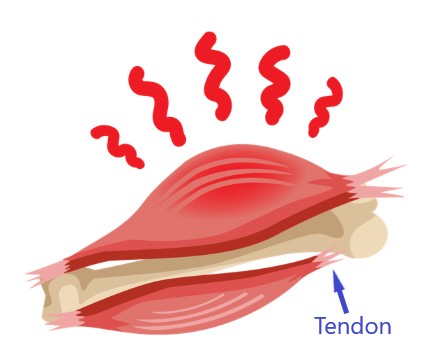
Tendons are the terminal parts of the muscle that attaches to bone.
On scans, muscle Injuries are broadly classified into three grades:
However, the holistic assessment of muscle injuries also takes into account what muscle is injured and at what part of the body. For example, a grade II tear of the elbow tendon can already cause persistent pain and weakness of forearm, whereas a grade III tear of a portion of the hamstring muscles may eventually not give rise to significant problems as there are many other muscles that can compensate for the injured one.
The initial treatment of acute injuries follows the RICE treatment – Rest, Ice, Compression, Elevation. These steps help to reduce pain and inflammation, and prevent the injury from being further aggravated.
More significant injuries may benefit from further treatments including:
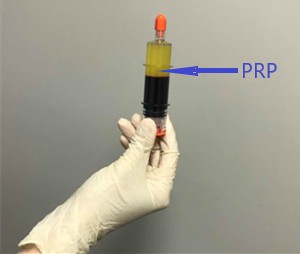
PRP injections utilises the growth factors found in the body’s blood circulation to stimulate tissue healing of torn muscles and tendons. It is delivered directly to the injured tissue via an injection. This treatment offers several benefits for individuals with muscle and tendon injuries and tears.
The benefits include:
Faster Recovery:
In cases of acute muscle tear, PRP injections can significantly reduce the time needed for recovery.
Fuller Recovery:
In cases where the recovery has plateaued (where there is persistent pain or weakness), PRP provides the boost to ensure fuller recovery of strength and reduction of pain.
Minimally-invasive:
It is typically given via an injection to the injured tissue and can be done in the clinic setting.
Increased Effectiveness:
It is considered more effective than purely conservative methods such as oral medications, physiotherapy or ESWT.
PRP Injection is a straightforward 3-step procedure as follows:
Blood will be drawn from the elbow like a normal blood-drawing process. The amount of blood drawn will vary from 20ml to 60ml depending on the condition treated and the required amount of PRP. The blood will be put into a centrifuge which will produce the PRP by centrifuging the blood.
The second step is to administer local anaesthetic to the area. There will be temporary pains and swelling as the anaesthetic is being injected, but it will begin to be numb within a minute.
The final step is to inject the PRP to the damaged tissues. This step usually has no pain or just mild discomfort. A dressing will be applied to the injected area and this can typically be removed on the same evening or the next morning.
The number of PRP injections needed varies depending on the condition being treated, eg the extent of muscle tear. Most injuries require 1 to 2 injections to achieve a good recovery, though some require up to 3 to 4 injections. The effect of each PRP injection is additive.
You can resume normal daily activity after the injection, like walking, going to work. However, for the recovery of the injury, you should still refrain from strenuous activities for a number of weeks, as advised by our doctor.
PRP injection is a very safe treatment as it is using the patient’s own blood. The risk of catching an infection due to the injection process is considered very minute. However, it is common to have minor pains and swelling around the injection area for 1-2 days.
The cost of PRP injections in Singapore can vary depending on several factors, including the extent of the injury condition, and the location of the treatment. It is advisable to consult with our orthopaedic specialist to discuss the condition and obtain a personalised quote for the procedure.
Insurance coverage and Medisave claimability for PRP injections do vary depending on your specific policy and whether you require any other associated treatments at the same time as the viscosupplementation injection. It is advisable to check with your insurer and our clinic to understand your coverage and any out-of-pocket expenses you may incur.
ESWT is a non-invasive treatment that utilises high-energy sound waves to stimulate the body’s natural healing ability. This helps to promote tissue growth, increased circulation, and tissue repair for injured muscles and tendons.
While it is a simple treatment, it may require 4 to 6 weekly sessions to begin to see some beneficial effects, and a total of 10 – 12 sessions to achieve the maximum achievable recovery. Effectiveness can be variable too, as this depends on the actual extent of tissue damage. ESWT tends to work better for cases with mild tissue damage.