Regular exercise helps protect your joints. Aim to include low-impact cardio, strength training, flexibility, and balance exercises to maintain joint function and stability.
Weight-bearing exercise, together with adequate calcium, vitamin D, and protein, helps maintain bone strength.
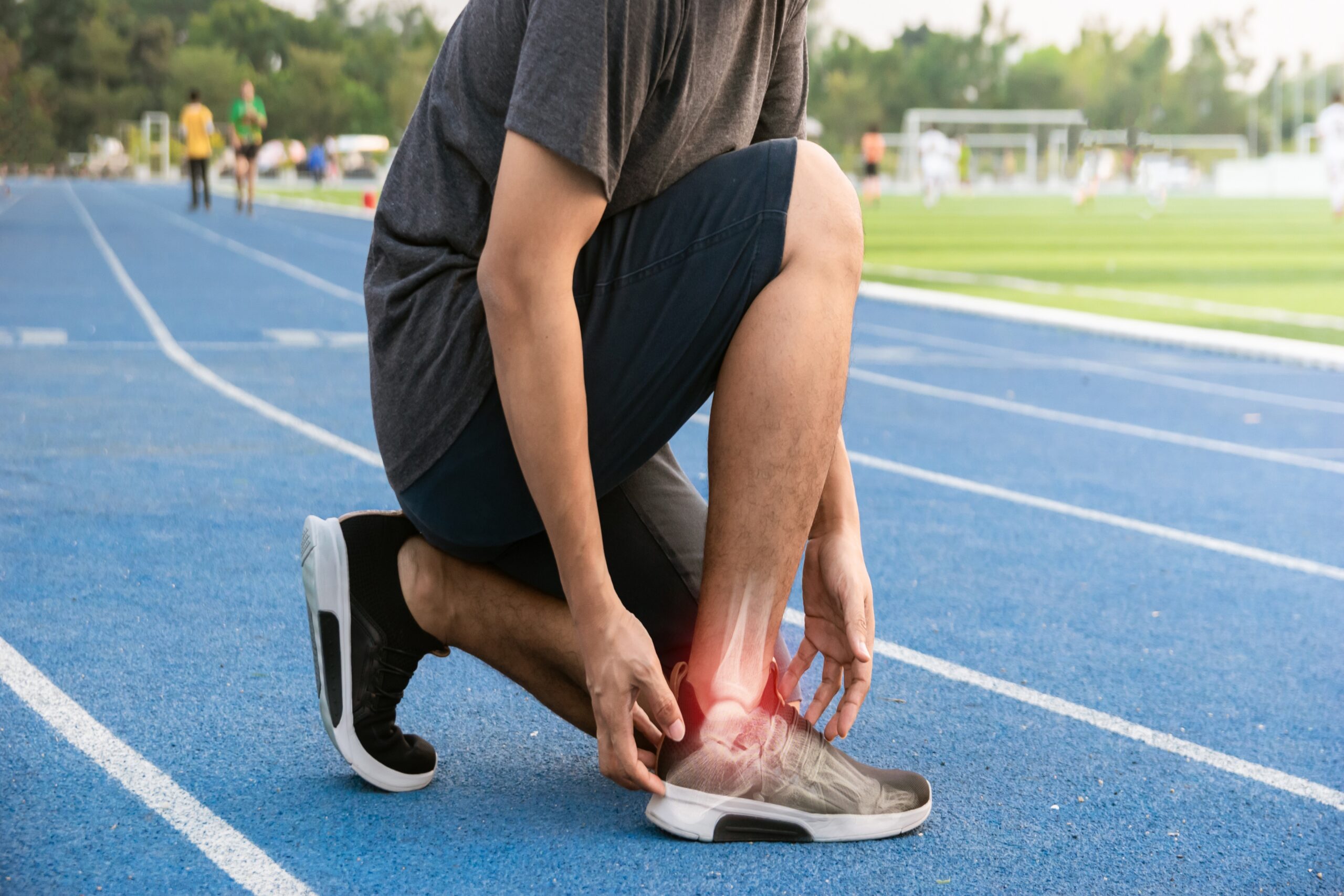
Arthritis, fractures, and ligament or tendon injuries are common musculoskeletal conditions that can worsen without timely assessment and treatment.
Seek an orthopaedic assessment if pain or swelling lasts more than 2–3 weeks, worsens, or follows a significant injury.
How to Keep Your Bones and Joints Healthy as You Age
Most of us don’t think about our bones and joints until something starts to hurt. A stiff knee on the stairs, a sore hip after a walk, or a wrist that aches when carrying groceries may seem minor, but they can also be early signs that your musculoskeletal system needs attention.
Much of what determines how well you move in later life comes down to everyday habits: how you exercise, what you eat, and how early you act on problems.
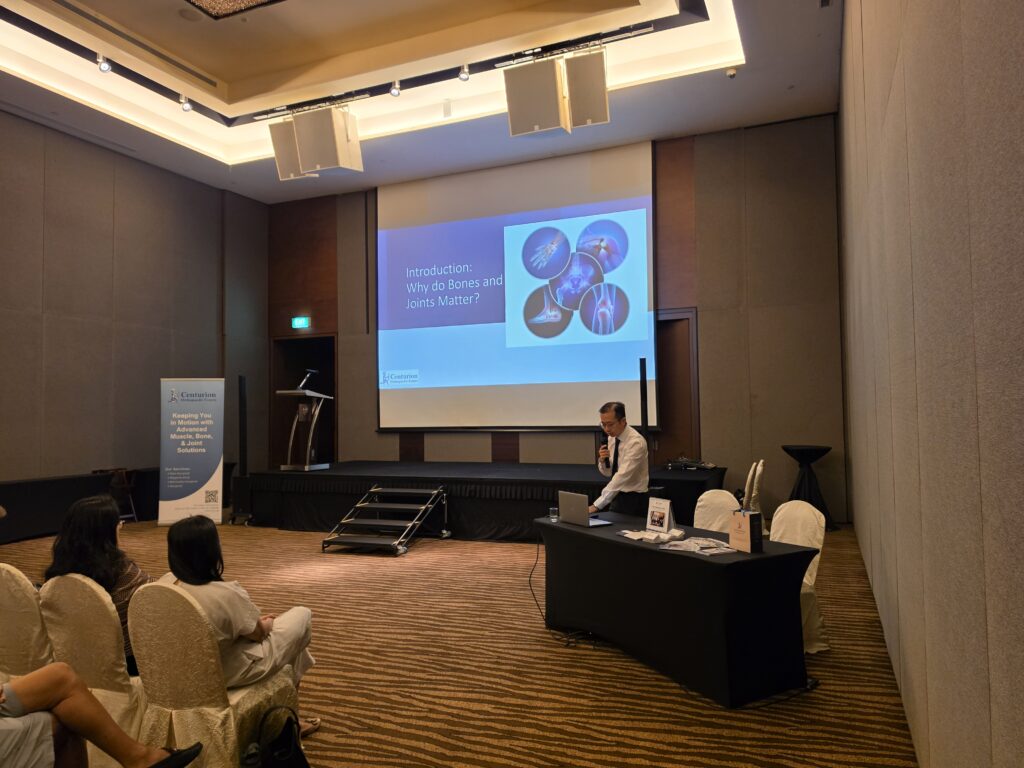
In a recent talk, Dr Tan Shi Ming, Senior Consultant Orthopaedic Surgeon at Centurion Orthopaedic Centre, set out what that looks like in practice. We share the main points below.
Why Do Bones and Joints Matter So Much for Staying Independent?
Bones and joints do more than carry you around. Because so much else depends on staying mobile, their condition affects parts of your health you might not connect to your skeleton at all.
Support daily movement: Bones and joints work together as the body’s framework, allowing you to walk, climb stairs, lift objects, and carry out everyday activities.
Maintain independence: Healthy bones, joints, and muscles help you move confidently and perform daily tasks without relying on others.
Protect overall health: Staying mobile helps reduce the risks associated with prolonged inactivity, including complications such as infections and blood clots.
Support physical and mental wellbeing: A healthy musculoskeletal system can contribute to better cardiovascular health, improved mood, and fewer aches or limitations that may affect quality of life.
What Are the Most Common Bone and Joint Problems?
Three conditions account for most bone and joint complaints in daily practice.
Arthritis and Joint Deformities
Arthritis affecting the knee, hip, ankle or shoulder usually develops gradually, from years of wear on the joint surfaces. It can cause pain, swelling, stiffness and, in severe cases, visible deformity and a slower walking pace.
Fractures and Weakened Bones
Osteoporosis (a gradual reduction in bone mineral density) raises the risk of fractures, particularly at the hip, wrist and spine, which typically cause pain, swelling and loss of function such as difficulty gripping and walking.
Ligament and Tendon Injuries
Injuries to the ligaments and tendons around the knee, ankle or shoulder are common with sport or sudden movements, and can cause pain, weakness and joint instability worth having properly assessed.
Living with a joint or bone concern that is not improving on its own? Book an assessment at Centurion Orthopaedic Centre to get a clear picture of what is going on and the treatment options available to you.
How To Keep Your Joints Healthy and Mobile
The following strategies can help protect your joints and maintain mobility.
Why Movement Helps
It may seem counterintuitive, but keeping your joints moving is one of the most effective ways to maintain their health. Movement redistributes fluid within the joint, delivering nutrients to the cartilage cells (chondrocytes) that help keep cartilage healthy. Regular exercise has also been linked to healthier joint tissue and reduced cartilage breakdown.
This is often summed up as “motion is lotion”: joints that move regularly tend to stay more supple and function better than those that are left inactive for long periods.
The Four Types of Exercise to Include
A balanced exercise routine helps improve strength, flexibility, stability, and cardiovascular health while reducing strain on your joints.
Aim to include a mix of the following:
Low-impact cardio: Activities such as walking, swimming, or cycling help improve fitness without placing excessive stress on your joints.
Strength training: Resistance exercises build muscle to better support and protect your joints.
Flexibility exercises: Stretching, yoga, or Pilates help maintain joint mobility and reduce stiffness.
Balance exercises: Activities that improve balance can lower your risk of falls and related injuries.
Practically, this means weight-bearing activities such as walking or resistance training strengthen bone over time, controlled loading during recovery can support fracture healing, and targeted exercise programmes are often used to help slow bone loss in osteoporosis.
Eating for Bone Health
These three nutrients matter most for bone health:
Calcium: The main mineral that gives bones their strength. Good sources include milk, yoghurt, tofu, sardines, and leafy green vegetables.
Vitamin D: Helps your body absorb calcium effectively. Sources include sunlight, fortified dairy products, eggs, and fatty fish.
Protein: Supports bone structure and helps maintain muscle strength, which also reduces the risk of falls. Good sources include lean meats, beans, lentils, and nuts.
Everyday Habits: What Helps and What to Avoid
Ten to fifteen minutes of morning sunlight helps trigger vitamin D production, and a balanced diet with added magnesium, zinc and vitamin K supports bone resilience.
Smoking can interfere with calcium absorption, excessive alcohol may slow bone formation, and a sedentary lifestyle weakens both bones and muscles.
When Should You See an Orthopaedic Specialist?
While many muscle, joint, and tendon injuries improve with rest and conservative treatment, some symptoms may indicate a more serious problem and should be assessed by a specialist.
Symptoms lasting more than 2–3 weeks: Especially pain, swelling, or loss of function that does not improve with rest, medication, or physiotherapy.
Symptoms that are getting worse: Increasing pain, swelling, stiffness, or reduced mobility instead of gradual improvement.
Significant injury: Such as a fall, sports collision, or other high-impact trauma.
Inability to bear weight: Difficulty or inability to stand or walk on the affected limb.
Numbness or tingling: This may indicate nerve involvement and warrants prompt assessment.
Persistent bruising: Bruising that has not improved after 3–5 days despite icing and elevation.
If any of the symptoms above sound familiar or if you simply need some guidance on how to improve your bone and joint health, Dr Tan Shi Ming can help.
At Centurion Orthopaedic Centre, Dr Tan will consider your lifestyle needs together with your health profile before recommending any treatment plan.