Shoulder pain can make reaching overhead, getting dressed, sleeping comfortably or working difficult. It may come on suddenly after an injury, or build gradually over time.

At Centurion Orthopaedic Centre (COC), our orthopaedic specialists can help with both, assessing and treating shoulder conditions and acute injuries. Treatment is based on the underlying cause and includes surgical and non-surgical management.

When Should You See a Shoulder Specialist?

Consider seeing a shoulder specialist if you experience:

  • Persistent or recurring shoulder pain
  • Pain when lifting, reaching or rotating your arm
  • Pain at night or difficulty sleeping because of shoulder pain
  • Shoulder weakness
  • Stiffness or reduced range of motion
  • A feeling that the shoulder is unstable
  • Pain following an injury or fall
  • Repeated shoulder dislocations

Common Causes of Shoulder Pain

Shoulder pain can arise from several different structures within and around the joint. Common shoulder conditions include rotator cuff injuries, frozen shoulder, shoulder impingement, arthritis and shoulder dislocation or instability.

Rotator Cuff Injuries

Rotator cuff injuries can cause pain and weakness, particularly when lifting the arm. They may involve inflammation, partial tears or full tears of the tendons that move and stabilise the shoulder.

Frozen Shoulder

Frozen shoulder causes pain, stiffness and progressive restriction of shoulder movement. Everyday movements such as reaching upwards or getting dressed can become increasingly difficult.

Shoulder Dislocation and Instability

A shoulder dislocation occurs when the upper arm bone moves out of the shoulder socket. Damage to the surrounding structures can sometimes leave the shoulder unstable and increase the risk of repeated dislocation.

Shoulder Impingement

Shoulder impingement can cause pain when raising or reaching with the arm, particularly at certain angles.

Shoulder Arthritis

Shoulder arthritis can cause pain, stiffness and reduced movement as changes develop within the joint.

Labral Injuries

The labrum is a rim of tissue surrounding the shoulder socket that contributes to stability and can be injured through trauma or repetitive overhead activity, including in association with shoulder dislocation.

Sports-Related Shoulder Injuries

Sports involving throwing, swimming, racquet movements, contact or repetitive overhead activity can place considerable demands on the shoulder. Injuries may involve the muscles, tendons, ligaments, labrum or joint itself.

Because several shoulder conditions can produce similar symptoms, identifying the source of the pain is important before deciding on treatment.

How We Diagnose Shoulder Pain

Diagnosis begins with a discussion of your symptoms and medical history, including when the pain started, where it occurs and whether there has been a previous injury or dislocation.

A physical examination can help your doctor assess:

  • Range of motion
  • Shoulder strength
  • Stability
  • Areas of tenderness
  • Movements that reproduce your symptoms

X-Ray

X-rays can assess the bones and joints and may help identify fractures, arthritis or other bony changes.

Ultrasound

Ultrasound can be used to assess soft-tissue structures around the shoulder, including the rotator cuff tendons.

Magnetic Resonance Imaging

Where appropriate, your specialist may recommend magnetic resonance imaging (MRI), which provides more detailed images of soft tissues within and around the shoulder.

Your history, examination findings and any necessary imaging are considered together to establish the likely diagnosis and guide treatment.

Shoulder Pain Treatment in Singapore

Treatment depends on the cause and severity of the shoulder problem. Many shoulder conditions can initially be managed without surgery.

Non-Surgical Treatment

Non-surgical treatment may include:

  • Activity modification
  • Medication for pain and inflammation where appropriate
  • Physiotherapy and rehabilitation
  • Injections where medically indicated

Surgical Treatment

Surgery may be considered when appropriate non-surgical treatment has not provided sufficient improvement or when an injury requires surgical repair.

Depending on the condition, procedures may include:

  • Shoulder arthroscopy
  • Rotator cuff repair
  • Shoulder stabilisation surgery
  • Frozen shoulder release
  • Shoulder replacement

Meet Our Orthopaedic Specialists for Shoulder Conditions

At Centurion Orthopaedic Centre, shoulder conditions are assessed and treated by orthopaedic surgeons Dr Bruce Ang Chia Liang and Dr Tan Shi Ming.

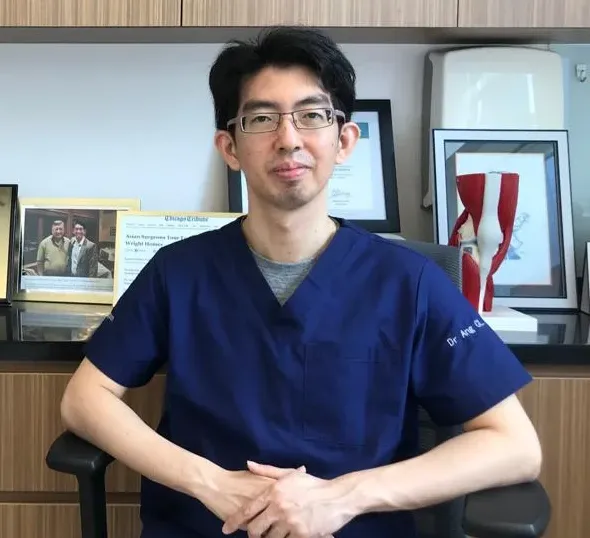
Dr Bruce Ang an orthopaedic specialist at Centurion Orthopaedic Centre - Singapore

Dr Bruce Ang Chia Liang

Dr Bruce Ang Chia Liang has more than 20 years of orthopaedic experience and has performed more than 6,000 orthopaedic surgeries.

His clinical expertise includes knee, hip and shoulder conditions, with experience in minimally invasive and arthroscopic surgery.

He holds a Master of Medicine in Orthopaedic Surgery from the National University of Singapore and is a Fellow of the Royal College of Surgeons of Edinburgh in Orthopaedics and Traumatology. His experience has included work at Singapore General Hospital and The Royal Orthopaedic Hospital in the United Kingdom.

He has also been involved in medical education as a Clinical Tutor at the National University of Singapore Yong Loo Lin School of Medicine.

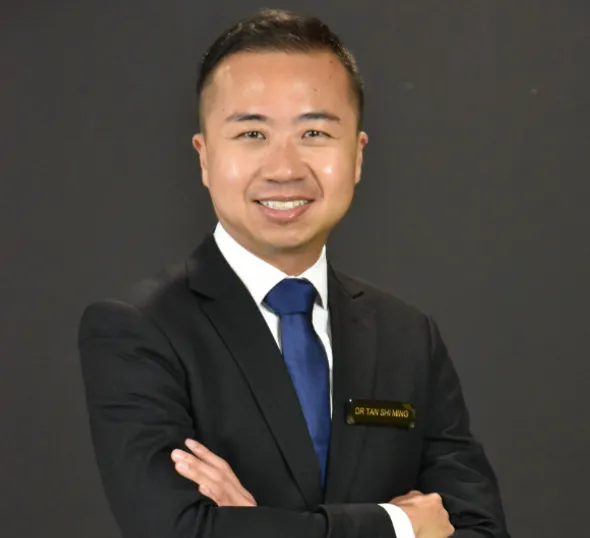
Dr Tan Shi Ming

Dr Tan Shi Ming is a Senior Consultant Orthopaedic Surgeon with subspecialty expertise in complex shoulder arthroscopy, frozen shoulder treatment and release, shoulder arthritis management, shoulder joint replacement surgery, and rotator cuff tears and tendon repairs.

He completed his medical and orthopaedic training in Singapore and holds qualifications including MBBS, MMed (Orthopaedic Surgery), FRCSEd (Orth) and FAMS.

Dr Tan previously served as a Consultant Orthopaedic Surgeon at Singapore General Hospital and has been involved in undergraduate and postgraduate medical education.

Together, our specialists assess shoulder problems ranging from sports injuries and instability to stiffness, rotator cuff conditions and degenerative joint problems.

Dr Tan Shi Ming an orthopaedic surgeon at Centurion Orthopaedic Centre - Singapore

What to Expect During Your Shoulder Consultation

1. Discuss Your Symptoms and Activity History

Your specialist will ask when your symptoms began, where the pain occurs, what makes it better or worse and how it affects your work, exercise, sleep and everyday activities.

2. Shoulder Examination

Your shoulder will be examined for movement, strength, stability and areas of tenderness.

3. Imaging If Clinically Required

An X-ray, ultrasound or MRI may be recommended if imaging would help clarify the diagnosis or influence treatment.

4. Diagnosis

Your specialist considers your symptoms, examination findings and any imaging together to determine the likely cause.

5. Discuss Suitable Treatment

You will be taken through the treatment options relevant to your condition, from activity modification and physiotherapy to injections or surgery where appropriate.

6. Rehabilitation and Follow-Up

Follow-up can be used to monitor your progress and adjust treatment, while rehabilitation helps restore movement, strength and shoulder control. More on this below.

Recovery and Rehabilitation for Shoulder Pain

Recovery is a crucial phase of shoulder pain treatment in Singapore. The timeline and approach vary depending on your specific condition and the treatment received. Our team provides comprehensive support throughout your recovery journey.

Recovery After Non-Surgical Treatment

Expected Timelines:

  • Patients can notice improvement within 3–6 weeks of starting physiotherapy, if physiotherapy is sufficient to manage the condition
  • Conditions like shoulder impingement may resolve within 3–4 months with consistent treatment
  • Frozen shoulder managed conservatively can take 6 months to 2 years for full resolution

What Improvements to Expect:

  • Gradual reduction in pain levels
  • Increased range of motion
  • Improved strength and function
  • Better ability to perform daily activities
  • Reduced need for pain medications

Regular follow-up appointments allow your doctor to monitor progress and adjust treatment as needed.

Recovery After Shoulder Surgery

Timeline Varies by Procedure:

  • 4–6 weeks: For procedures that don’t involve tissue repair (such as frozen shoulder release or impingement surgery), patients typically regain good range of motion within this timeframe
  • 2–4 months: Procedures requiring tissue repair, such as rotator cuff or labral repairs, need longer healing periods to achieve comparable progress and full return to activities
  • 3–6 months: Complete recovery for athletes or those with high physical demands

Phased Physiotherapy Plan:

  1. Early Phase (Weeks 1–6): Focus on protecting healing tissues whilst maintaining gentle range of motion
  2. Intermediate Phase (Weeks 6–12): Progressive strengthening exercises and increasing functional activities
  3. Advanced Phase (3–6 months): Sport-specific training, return to work activities, and final strengthening
  4. Maintenance: Long-term exercises to maintain shoulder health

Your surgeon and physiotherapist will work together to create a personalised rehabilitation programme tailored to your surgery and goals.

Long-Term Shoulder Health and Prevention

After recovery, maintaining shoulder health is essential to prevent recurrence:

Strengthening: Continue exercises targeting the rotator cuff and shoulder stabiliser muscles to maintain strength and support

Posture Correction: Address poor posture habits at work and home that contribute to shoulder strain. Our team can advise on ergonomic adjustments for your workspace

Preventing Recurrence:

  • Warm up properly before physical activities
  • Avoid repetitive overhead movements when possible
  • Maintain healthy body weight to reduce joint stress
  • Address any shoulder discomfort early before it worsens
  • Regular follow-up with your shoulder specialist as recommended

Similar to other joint conditions like knee pain, hip pain, or elbow pain, proactive care and lifestyle modifications can significantly reduce the risk of future shoulder problems.

Shoulder Care at Centurion Orthopaedic Centre

At Centurion Orthopaedic Centre (COC), our orthopaedic specialists provide assessment and treatment for a wide range of shoulder conditions, from sports-related injuries and rotator cuff problems to frozen shoulder, instability and shoulder arthritis. Your treatment plan is based on your individual diagnosis, symptoms and clinical needs, with both non-surgical and surgical options considered where appropriate.

Experiencing persistent shoulder pain or difficulty moving your shoulder? Book an appointment with our orthopaedic specialists at Centurion Orthopaedic Centre today to discuss your condition and suitable treatment options.

Frequently Asked Questions About Shoulder Pain

When Should I See a Shoulder Specialist for Shoulder Pain?

Consider seeing a shoulder specialist in Singapore if pain persists or recurs, affects movement or sleep, causes weakness or instability, or develops after a significant injury.

Common causes include rotator cuff problems, frozen shoulder, shoulder impingement, instability or dislocation and shoulder arthritis. Labral and sports-related injuries can also cause shoulder pain.

Recurring pain may mean that the underlying problem has not fully resolved or that certain movements continue to aggravate the shoulder. Rotator cuff problems, instability, stiffness and repetitive loading can all contribute.

Yes. Many shoulder conditions can be treated without surgery using measures such as activity modification, medication and physiotherapy. Injections may also be considered for selected conditions.

Diagnosis usually begins with your symptoms and a physical examination. X-rays, ultrasound or MRI may be recommended depending on the suspected cause, but not everyone with shoulder pain requires imaging.

Recovery varies considerably. Some non-surgical problems may improve over several weeks, while recovery after procedures such as rotator cuff repair, stabilisation surgery or shoulder replacement can take several months.

Pain when lifting the arm can occur with conditions such as rotator cuff problems and shoulder impingement. An examination can help determine the underlying cause.
It depends on the cause and severity of your symptoms. Activities that do not aggravate the shoulder may still be possible, but repeated pain, weakness or instability should be assessed.

Contact Us

For expert guidance and personalized care, reach out to us—your first step towards a pain-free life with Centurion Orthopaedic Centre.

38 Irrawaddy Rd, #07-40 Mount Elizabeth Novena Hospital Specialist Centre, Novena, Singapore 329563

We are a 3-min walk from Novena MRT Station. Take Exit A from the station.

WhatsApp to book Appointment:
+65 9623 7153

1 Farrer Park Station Road, #14-09/10 Connexion, Singapore 217562

WhatsApp to book Appointment:
+65 9723 3741

Opening Hours

Mon-Fri: 9am to 6pm

Sat: 9am to 1pm

Emergency consults, Call/Text/WhatsApp: 9623 7153

Please submit your inquiry in English or Mandarin using the form below. We will respond to your query as soon as possible.