


Frozen Shoulder


Shoulder pain and stiffness that does not improve with rest should be taken seriously. What may start as a minor restriction can steadily worsen, affecting your sleep, work, and daily life.
At Centurion Orthopaedic Centre, our specialists in Singapore provide diagnosis and treatment for frozen shoulder, tailored to your stage and severity.
What Is Frozen Shoulder (Adhesive Capsulitis)?
Simple activities like fastening a zipper on the back or taking a book off an overhead shelf can be impossible when you have a frozen shoulder.
Frozen shoulder, also called adhesive capsulitis (inflammation and tightening of the shoulder joint capsule), is a condition that causes pain, stiffness, and a significant loss of movement in the shoulder.
At the core of the condition is capsular contracture, which means the flexible tissue surrounding your shoulder joint thickens, tightens, and develops scar tissue, progressively restricting how far you can move your arm. It affects people between 40 and 60 years of age, and women more often than men.
Frozen Shoulder Symptoms
You may not immediately realise you have a frozen shoulder as symptoms tend to build gradually. What you feel in the early stages may also be different from what you experience later.
Symptoms typically include:
- Noticeably worse pain at night, disrupting sleep, particularly when lying on the affected side.
- Loss of external rotation, where reaching behind your back becomes difficult.
- Loss of overhead reach, where lifting your arm above shoulder height or simply raising your hand is painful and limited.
- Global stiffness, where movement becomes restricted in all directions.
- Shoulder aching at rest.
The Three Stages of Frozen Shoulder, and How Long Each Lasts
There are three stages to frozen shoulder, though no two people move through them at the same pace. How long each stage lasts often depends on how severe the condition is and how early you start treatment.
Freezing Stage
Duration: approximately two to nine months
This is the most painful phase. Any movement of the shoulder causes pain, and your range of motion begins to decrease noticeably. The pain is often worse at night. Because movement hurts, many people instinctively avoid using the shoulder, which can accelerate stiffening.
Frozen Stage
Duration: approximately four to 12 months
Pain may begin to ease, but stiffness reaches its peak. The shoulder feels locked, and everyday tasks such as dressing or reaching across a table become genuinely difficult. Many patients seek specialist assessment at this point, having waited in the expectation that pain would resolve on its own.
Thawing Stage
Duration: approximately five months to two years, though this varies widely
The shoulder gradually regains movement. With guided physiotherapy and appropriate treatment, recovery can be meaningfully accelerated. Without intervention, this stage may extend beyond two years for some patients.
What Causes Frozen Shoulder
Frozen shoulder sometimes develops after the shoulder has been kept still for a prolonged period, such as following an injury, surgery, or a period of illness. It can also develop with no obvious preceding event.
Here are the factors commonly associated with a higher risk of frozen shoulder.
Age and Sex
People aged 40 and older, and particularly women, are more likely to develop frozen shoulder.
Other Shoulder Conditions
If you have an existing shoulder problem, such as a rotator cuff injury or shoulder impingement (where tendons in the shoulder become compressed), and it goes untreated, the resulting restriction of movement can trigger frozen shoulder as a secondary condition.
Immobility or Reduced Mobility
Any period of reduced shoulder movement increases vulnerability. This includes recovery from a broken arm, a stroke, a long hospital stay, or surgery on another part of the body that limits how much you use your arm.
Systemic Diseases
People with certain medical conditions develop frozen shoulder at higher rates. These include diabetes, thyroid disorders (both overactive and underactive), cardiovascular disease, and Parkinson’s disease.
Frozen Shoulder and Diabetes
Research suggests that people with diabetes are more likely to develop a more severe and prolonged course of frozen shoulder compared to the general population, though causes have not been fully established.
If you have diabetes and develop frozen shoulder, be aware of the following:
- Recovery may take longer than average, and the thawing stage can be more drawn out than in non-diabetic patients.
- Managing blood glucose levels effectively throughout treatment may support a better outcome, though the evidence on this is still developing.
Early-stage intervention is more effective than waiting. To get started, schedule a consultation with a specialist at Centurion Orthopaedic Centre.
How to Tell If You Have Frozen Shoulder
There are two frozen shoulder tests you can do at home:
-
External rotation test
Stand with your elbow bent at 90 degrees and tucked against your side. Try to rotate your forearm outward. If your shoulder is healthy, you should be able to rotate your forearm outward with ease. If you cannot, or if the movement feels tight and painful, it may be due to a frozen shoulder. -
Overhead reach test
Raise your arm straight up. If you cannot bring it level with your ear, and if you had difficulty with the external rotation test, you may have a frozen shoulder.
Consider seeing a specialist if:
- Stiffness has lasted more than two to three weeks without improvement
- You cannot reach behind your back or lift your arm overhead
- Pain is disturbing your sleep
- You have diabetes or a thyroid condition and shoulder symptoms are developing
- Progressive stiffness has followed a shoulder injury or surgery

Frozen Shoulder Diagnosis
You need a diagnosis for a specialist to tailor your frozen shoulder treatment plan. This involves a:
- Symptom review, where your specialist will ask about what you have been experiencing and how long symptoms have been present.
- Physical examination, to assess your active range of motion (what you can move on your own) and passive range of motion (what can be moved with assistance).
- Imaging, where necessary, like X-rays to rule out arthritis, bony changes, and an MRI for soft tissue detail and to help exclude a rotator cuff tear, which can present with similar symptoms.
Frozen Shoulder Treatment Options
A frozen shoulder treatment is typically used to manage pain and restore as much range of motion as possible. The right approach depends on which stage you are in and how severely the condition is affecting your daily life.
Medications
Anti-inflammatory medications, such as non-steroidal anti-inflammatory drugs (NSAIDs), can help reduce swelling within the joint and ease discomfort, particularly during the freezing stage.
Physiotherapy
A physiotherapist works with you to gently stretch and mobilise the shoulder, and will guide you through a structured programme of exercises to restore range of motion progressively. Consistent effort with your home exercise programme is important: the results of physiotherapy are closely linked to how regularly the exercises are performed between sessions.
Steroid Injection
A corticosteroid (steroid) injection delivered directly into the shoulder joint can meaningfully reduce inflammation and pain, particularly in the freezing and early frozen stages. By reducing pain, the frozen shoulder injection often allows physiotherapy to be more effective, since you are able to participate more fully in exercises.
Arthroscopic (Keyhole) Surgery
For moderate to severe cases where pain has persisted for several months and restriction of movement is significant, arthroscopic (keyhole) surgery may be recommended.
Frozen shoulder surgery in Singapore is performed through small incisions using a camera and fine instruments, allowing the surgeon to remove the thickened scar tissue and contracted capsule from inside the shoulder joint.
Many patients experience meaningful improvement in pain and shoulder mobility in the weeks following the procedure, though recovery timelines vary depending on the individual and the extent of the release. Physiotherapy begins soon after frozen shoulder surgery to maintain and build on the range of motion restored during the procedure.
Hydrodilatation
Hydrodilatation (also known as distension arthrography) is a minimally invasive procedure in which a combination of saline, corticosteroid, and local anaesthetic is injected into the shoulder joint under imaging guidance to distend (stretch) the tightened joint capsule. This can help break down the restriction causing stiffness and improve range of motion. It is generally performed under X-ray or ultrasound guidance and does not require a general anaesthetic, making it a suitable option for patients who wish to avoid surgery but have not responded adequately to physiotherapy and injections alone.
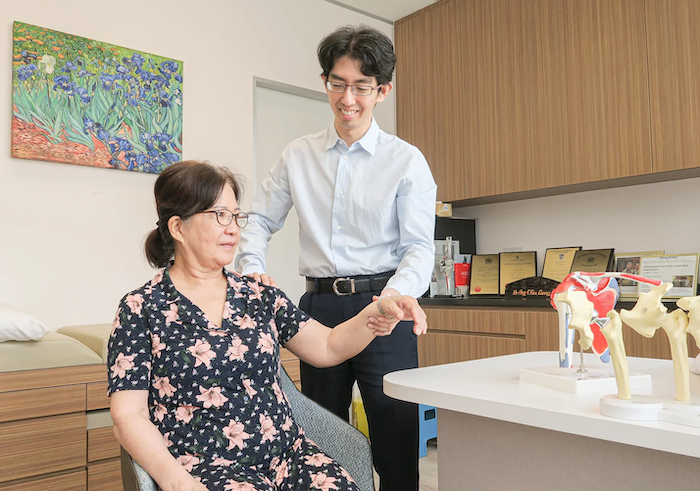
Frozen Shoulder Exercises
Exercises play an important role in frozen shoulder management, both as a standalone conservative measure and as part of recovery following injection or surgery.
The following are commonly recommended movements, each designed to gently stretch the shoulder without forcing movement beyond a comfortable limit. If any movement causes significant discomfort, stop and consult your specialist before continuing.
Pendulum Exercise
- Stand beside a table and lean forward, supporting your weight with your unaffected arm.
- Let the affected arm hang freely.
- Swing it in small circles, first clockwise, then counter-clockwise, allowing gravity to do the work.
- Aim for 10 to 15 circles in each direction, once or twice daily.
This targets overall shoulder mobility, using gravity to gently decompress and loosen the joint without active muscle effort.
Towel Stretch
- Hold a towel behind your back with both hands.
- The unaffected hand at the top and the affected hand at the bottom.
- Use your unaffected hand to gently pull the towel upward, guiding the affected arm into a stretch behind your back.
- Hold for 15 to 30 seconds and repeat three to five times.
This targets the internal rotation movement that frozen shoulder commonly restricts.
External Rotation Stretch
- Stand in a doorway and bend your affected arm at the elbow to 90 degrees.
- Place the back of your hand or forearm against the door frame.
- Gently rotate your body away from the frame, creating a stretch in the front of your shoulder.
- Hold for 15 to 30 seconds and repeat three to five times.
This directly addresses the loss of external rotation that is characteristic of frozen shoulder.
Cross-Body Stretch
- Use your unaffected arm to gently lift your affected arm across your chest, applying light pressure just above the elbow.
- Hold the stretch for 15 to 30 seconds, then release.
- Repeat three to five times.
This stretch targets the posterior shoulder capsule and can help improve overall shoulder mobility.

How Long Does Frozen Shoulder Recovery Take?
Several factors affect how long recovery takes: the severity of your condition, the treatment approach, and individual factors such as age and whether you have diabetes.
With conservative management (physiotherapy, medications, and injections):
- Patients may see an improvement within six months
- Full thawing can take anywhere from one to two years
- Early frozen shoulder treatment, particularly in the freezing stage, tends to produce better outcomes
Following arthroscopic release:
- Many patients regain a meaningful range of motion within weeks, though pace varies
- Physiotherapy begins after frozen shoulder surgery and will be guided by your treating team
- Most patients return to light daily activities relatively soon after the procedure, with continued improvement over the following months
Frozen shoulder is a slow condition. Even with appropriate treatment, recovery requires patience and consistency. The goal of specialist intervention is to shorten the timeline, reduce the severity of symptoms, and protect against lasting stiffness.
Cost, MediSave, and Insurance
The cost of frozen shoulder treatment varies depending on the type of treatment required. A consultation, a steroid injection, physiotherapy, and surgery each carry different fees, and the most appropriate combination will be determined at your assessment.
| Coverage Type | Providers | What Is Claimable |
|---|---|---|
| MediSave | All Singapore Citizens and PRs with a CPF MediSave account | Part of your shoulder injection fees is subject to prevailing withdrawal limits |
| Integrated Shield Plans | Prudential, Great Eastern, Singlife with Aviva, Income, HSBC Shield | Enhanced benefits when treated at Centurion Orthopaedic Centre are subject to your plan's terms, deductible, and co-insurance |
| Third-party administrators and international insurers | At Centurion, we are partners with MHC, Alliance Medinet, Parkway Shenton, IHP, Adept, Fullerton, Bupa, Now Health, iXchange CIGNA, Allianz | Coverage depends on your individual plan |
Contact our team for assistance with pre-authorisation and insurance coordination.
Your Frozen Shoulder Specialists
At Centurion Orthopaedic Centre, frozen shoulder patients are assessed and treated by two experienced orthopaedic surgeons with deep familiarity in shoulder conditions and minimally invasive techniques.
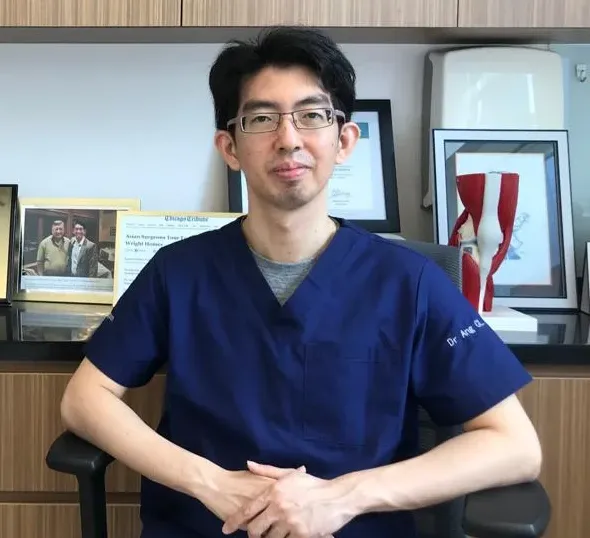
Dr Bruce Ang CL
Dr Ang is a Senior Consultant Orthopaedic Surgeon with more than 19 years of orthopaedic experience. He has performed more than 6,000 orthopaedic surgeries and has particular expertise in shoulder, knee, and hip conditions, with a subspecialty focus in minimally invasive treatment of joint conditions, joint replacements, and fractures.
Dr Ang’s approach to frozen shoulder spans the full treatment spectrum, from early-stage injection therapy and guided physiotherapy through to arthroscopic capsular release for cases that have not responded to conservative management.
- MBBS – Bachelor of Medicine & Bachelor of Surgery, National University of Singapore
- MRCS (Ed) – Member of The Royal College of Surgeons of Edinburgh, Scotland, United Kingdom
- ECFMG – Educational Commission for Foreign Medical Graduates certified, United States of America
- MMed (Ortho) – Master of Medicine (Orthopaedic Surgery), National University of Singapore
- FRCSEd (Ortho) – Fellow of The Royal College of Surgeons of Edinburgh, Orthopaedics and Traumatology, Scotland, United Kingdom

Dr Tan Shi Ming
Dr Tan Shi Ming is a Senior Consultant Orthopaedic Surgeon and MOH-accredited specialist with more than 20 years of orthopaedic experience. He subspecialises in foot and ankle surgery and minimally invasive procedures, and has broad experience in shoulder, hip, and knee conditions, including joint degeneration and tendon injuries.
Dr Tan graduated from the Faculty of Medicine, National University of Singapore, and completed specialist training under the SingHealth Orthopaedic Residency Programme. He was awarded the MOH Training Award for fellowship training in Bristol, Basel, and Grenoble. He holds appointments as Assistant Professor at NUS Yong Loo Lin School of Medicine and Duke-NUS Medical School, and serves as Visiting Consultant at Singapore General Hospital.
- MBBS – Bachelor of Medicine & Bachelor of Surgery, National University of Singapore
- MRCS (Ed) – Member of The Royal College of Surgeons of Edinburgh, Scotland, United Kingdom
- MMed (Ortho) – Master of Medicine (Orthopaedic Surgery), National University of Singapore
- FRCSEd (Ortho) – Fellow of The Royal College of Surgeons of Edinburgh, Orthopaedics and Traumatology, Scotland, United Kingdom
- FAMS (Orth, S’pore) – Fellow of Academy of Medicine, Singapore
Frequently Asked Questions
You can come see us without having to obtain any referral letters first.
The exception is if you are using a corporate insurance plan, as some corporate insurers require you to see a family doctor on your panel first, and ask for a referral letter to us.
Yes, but it can take one to three years without treatment. Early intervention shortens recovery and reduces the severity of your symptoms. Some patients are left with residual stiffness even after the condition resolves.
Starting frozen shoulder treatment early gives you the best chance of a faster recovery. For most patients, a corticosteroid injection combined with physiotherapy offers the most effective improvement. In more advanced cases, hydrodilatation or arthroscopic release may be more appropriate.
Yes, physiotherapy is one of the main pillars of frozen shoulder treatment. A structured programme of manual therapy and stretching can meaningfully improve range of motion, particularly in the frozen and thawing stages. How consistently you do your home exercises plays a significant role in how quickly you recover.
If your shoulder has been stiff or painful for more than two to three weeks without improvement, get it assessed. Night pain, difficulty reaching behind your back, or restricted overhead movement all warrant specialist review. People with diabetes or thyroid conditions should seek assessment promptly.
Yes. A corticosteroid injection reduces inflammation and pain, making physiotherapy more effective. Hydrodilatation is another option for patients who have not responded to standard injections alone.
Frozen shoulder surgery is considered when pain persists for several months and conservative treatments have not produced adequate improvement. Arthroscopic capsular release is a keyhole procedure that removes the thickened tissue restricting your shoulder. Most patients experience meaningful improvement in pain and mobility in the weeks that follow.
Recurrence in the same shoulder is uncommon. However, some patients develop it in the other shoulder at some point. The second episode does not always follow the same severity or timeline as the first.
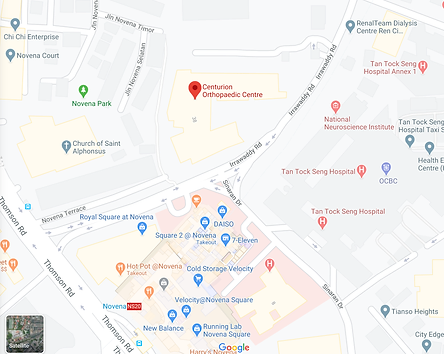
Centurion Orthopaedic Centre
38 Irrawaddy Road
Mt Elizabeth Novena Hospital Specialist Centre #07-40
Singapore 329563