


Knee Pain Specialist in Singapore: Ligament, Cartilage, Arthritis & Sports Injuries
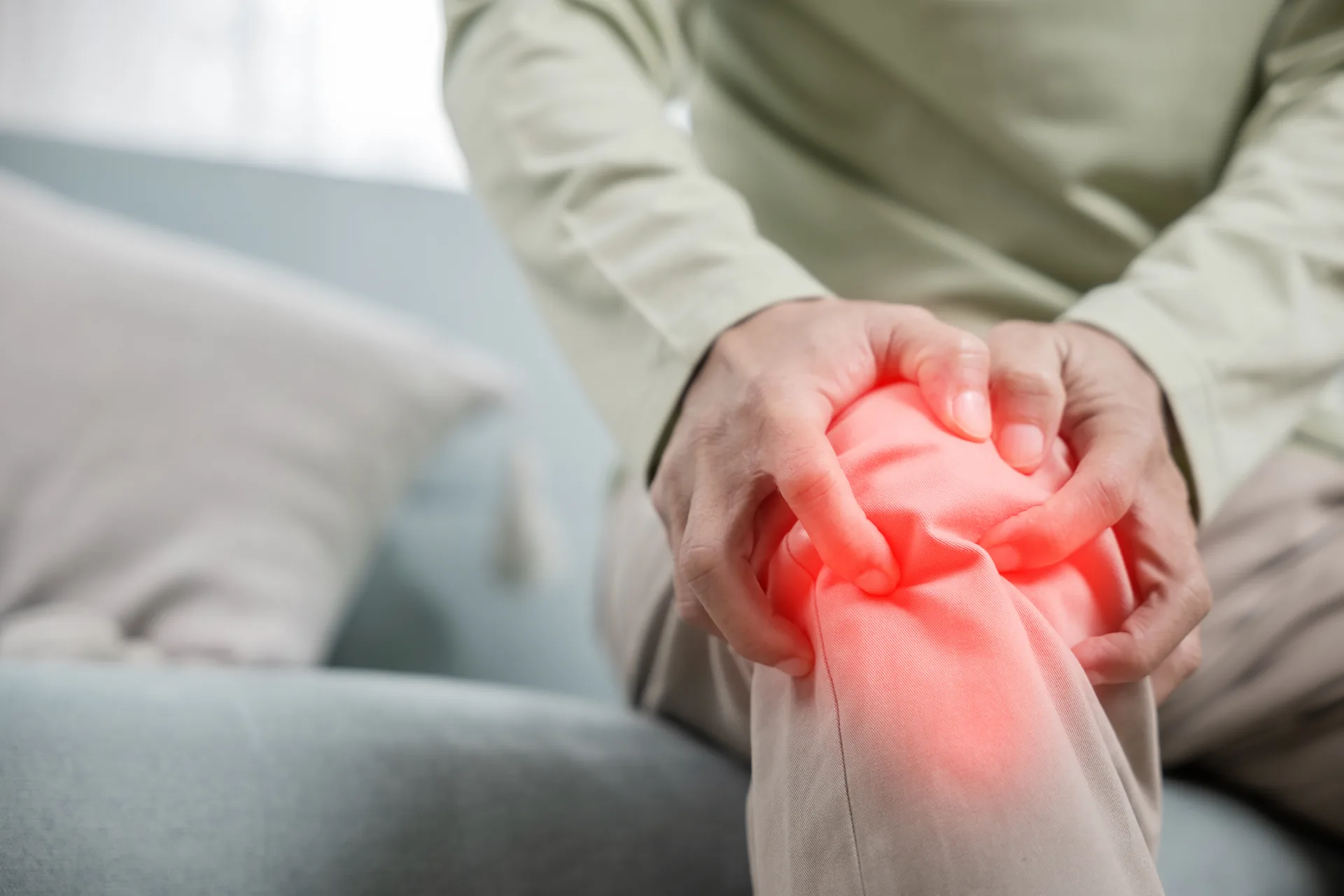

Whether your knee pain started with a sporting injury or developed gradually, the underlying cause may not always be obvious. Similar symptoms can arise from different conditions, making an accurate diagnosis crucial.
That’s where expertise matters. At Centurion Orthopaedic Centre, Dr Bruce Ang CL and Dr Tan Shi Ming have over 20 years of experience as knee specialists in Singapore. They manage everything from cartilage injuries and ligament tears to arthritis and knee replacement.
When to See a Knee Pain Specialist
While it’s important to listen to your body and seek medical advice for any persistent discomfort, some knee symptoms warrant prompt evaluation by a knee specialist. These include:
| Symptom | What to look for |
|---|---|
| Persistent pain | Pain lasting more than two weeks despite rest, particularly if it worsens with prolonged walking, standing, or rising from a seat |
| Swelling and inflammation | Noticeable swelling, warmth, or redness around the knee, especially if it followed a popping sound |
| Limited mobility | Difficulty bending, straightening, or bearing weight on the knee |
| Instability | A feeling that the knee might give way or buckle under load |
| Sudden onset after injury | Pain starting after a fall, collision, or twisting movement, particularly if you heard or felt a pop at the moment of impact |
| Activity-related pain | Pain that increases when climbing stairs, running, or squatting |
| Mechanical symptoms | Locking, catching, or clicking in the joint, or a sensation of something shifting inside the knee |
As a general guide, if knee pain has lasted more than two weeks, or if you heard a pop at the time of injury, an early orthopaedic assessment with a knee specialist in Singapore is recommended
Knee Conditions We Treat in Singapore
Knee pain has many possible causes. Our specialists in Singapore assess the following knee pain conditions and recommend the right treatment after consultation.
Knee Osteoarthritis
Osteoarthritis (wear-and-tear degeneration of the knee joint) is the most common cause of knee pain in adults over 50. As the cartilage cushioning the joint wears down, the bones begin to rub against each other, causing pain, stiffness, and swelling. Everyday activities such as walking and climbing stairs become progressively more difficult.
Anterior Cruciate Ligament (ACL) Tear
The ACL (anterior cruciate ligament) is one of the main stabilising ligaments in the knee. Tears commonly occur during sudden changes of direction, jumping, or direct impact. Swelling and instability typically follow, and some patients report hearing or feeling a pop at the moment of injury.
Posterior Cruciate Ligament (PCL) Tear
The PCL (posterior cruciate ligament) connects the femur (thigh bone) to the tibia (shin bone) at the back of the knee. PCL tears are less common than ACL tears and often result from a direct blow to the front of the knee, such as in a road traffic accident or a fall onto a bent knee.
Medial Collateral Ligament (MCL) Tear
The MCL (medial collateral ligament) runs along the inner side of the knee and is commonly injured by a force applied to the outer side of the knee. MCL injuries range from mild sprains to complete tears, and often occur alongside other ligament injuries.
Lateral Collateral Ligament (LCL) Tear
The LCL (lateral collateral ligament) stabilises the outer side of the knee. LCL injuries are less common but can occur with direct impact or severe twisting forces.
Meniscus Tears
Each knee has two C-shaped pads of cartilage called menisci, which act as shock absorbers between the thigh bone and shin bone. Tears often occur during twisting movements and cause pain, clicking, swelling, and in some cases, a locking sensation that prevents the knee from fully straightening.
Cartilage Tears and Damage
The articular cartilage lining the knee joint allows smooth, low-friction movement. When this cartilage is damaged — through injury or wear — it can cause pain during activity, swelling, and a locking or catching sensation. Unlike bone, cartilage has limited capacity to heal on its own.
Patellar Tendinitis (Jumper's Knee)
Patellar tendinitis is an overuse injury affecting the tendon that connects the kneecap to the shin bone. It causes pain and tenderness at the front of the knee, just below the kneecap, and is particularly common in athletes who perform repeated jumping movements, such as in basketball or volleyball.
Patellofemoral Pain Syndrome (Runner's Knee)
Patellofemoral pain syndrome causes pain at the front of the knee around the kneecap. It often develops through overuse, muscle imbalance, or poor kneecap alignment, and is common in runners and cyclists.
Ilio-Tibial Band (ITB) Syndrome
ITB syndrome causes pain on the outer side of the knee. It occurs when the ilio-tibial band (a thick band of tissue running from the hip to the shin) becomes tight or inflamed through repetitive movement. It is particularly common in long-distance runners.
Patellar Maltracking
Patellar maltracking refers to abnormal movement of the kneecap within its groove. This may involve excessive looseness or tightness, and causes pain during activity, particularly when climbing stairs. In more severe cases, it causes discomfort on flat ground.
Knee Fractures
A fracture in one of the bones forming the knee joint — the femur (thigh bone), tibia (shin bone), or patella (kneecap) — typically requires surgical treatment to restore alignment and allow the bone to heal correctly.
Baker's Cyst
A Baker’s cyst is a fluid-filled swelling at the back of the knee. It commonly develops as a result of degenerative changes or osteoarthritis in the joint, and causes tightness and discomfort, particularly when the knee is fully bent or extended.
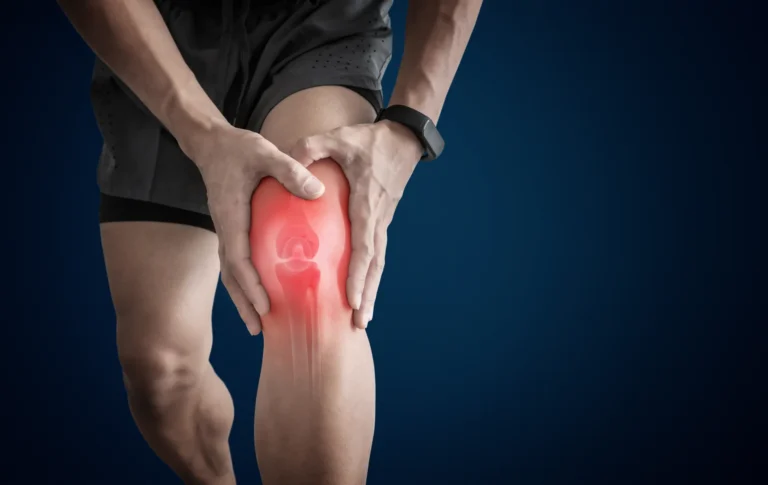
Diagnosis of Knee Pain
Accurate diagnosis is the foundation of effective treatment. Depending on the findings of our clinical examination, we will recommend one or more of the following investigations:
| Investigation | What it assesses | Recommended for |
|---|---|---|
| X-ray | Bone structure, alignment, and joint space | Fractures, arthritis, and knee alignment; weight-bearing X-rays specifically useful for osteoarthritis staging |
| MRI | Ligaments, tendons, cartilage, and other soft tissue | Identifying soft tissue tears and damage not visible on X-ray |
| CT scan | Detailed bone anatomy | Complex fractures and pre-surgical planning |
| Ultrasound | Soft tissues and fluid in real time | Assessing inflammation and guiding injections |
Non-Surgical Knee Pain Treatments
Knee pain treatment in Singapore typically begins with conservative management. At Centurion, our specialists typically recommend non-surgical options first, before escalating treatment.
Depending on your diagnosis, one or more of the following may be recommended:
- Physiotherapy: A structured, personalised exercise programme to strengthen the muscles around the knee, restore joint stability, and improve flexibility and function.
- Medications: Non-steroidal anti-inflammatory drugs (NSAIDs) and analgesics can help manage pain and reduce inflammation in the short term.
- Steroid injections: Corticosteroid injections reduce inflammation and provide pain relief, and are commonly used for conditions such as arthritis and tendinitis.
- Hyaluronic acid injections (viscosupplementation): Hyaluronic acid is a naturally occurring substance in joint fluid. Injections into the knee can improve lubrication and cushioning and reduce pain, and are used primarily for osteoarthritis.
- Platelet-rich plasma (PRP) knee injections: PRP therapy uses a concentration of the patient’s own platelets to stimulate tissue repair. It may be used for ligament and muscle conditions where the body’s natural healing response needs support.
- Marrow injections: This procedure involves harvesting the patient’s own bone marrow and injecting it into the knee joint to help stabilise damaged cartilage and support the body’s healing response.
- Extracorporeal shockwave therapy (ESWT): ESWT delivers targeted sound wave energy to injured tissue to stimulate healing and reduce pain. It is used for conditions such as patellar tendinitis.
- Bracing and supports: Knee braces can stabilise the joint, reduce strain, and protect against further injury during recovery or return to activity.
- Lifestyle modifications: Weight management, adjusted activity levels, and ergonomic changes can meaningfully reduce load on the knee joint and slow the progression of conditions such as osteoarthritis.
Surgical Solutions for Knee Pain in Singapore
When conservative treatment has not provided sufficient improvement, or when the nature of the injury requires surgical correction, our surgeons offer the following procedures.
Arthroscopic Surgery (Keyhole Surgery)
A minimally invasive procedure using small incisions and a camera to diagnose and treat a range of knee conditions. Suitable for ligament tears, meniscus damage, and cartilage repairs where the joint can be accessed and treated without open surgery. Not suitable as a standalone procedure for end-stage arthritis.
ACL Reconstruction
Reconstruction of a torn anterior cruciate ligament using a graft from the patient’s own tissue (autograft) or donor tissue (allograft). Suitable for patients with symptomatic ACL instability who wish to return to sport or active daily life. Not typically recommended for low-demand patients with mild instability who respond well to physiotherapy alone.
Meniscus Repair vs Meniscectomy
Meniscus tears may be treated by repair (stitching the torn meniscus back together) or partial meniscectomy (trimming away the damaged portion). Repair is preferred in younger patients with tears in well-vascularised areas, as it preserves the meniscus and its shock-absorbing function. Meniscectomy may be more appropriate for complex tears or tears in areas with poor blood supply where healing is unlikely.
Partial Knee Replacement Surgery
When arthritis affects only one compartment of the knee, a partial knee replacement resurfaces the damaged area while preserving the remaining healthy bone, cartilage, and ligaments. Suitable for patients with single-compartment osteoarthritis who have intact ligaments and a good range of motion. Not appropriate for inflammatory arthritis or multi-compartment disease.
Total Knee Replacement Surgery
Total knee replacement replaces all three compartments of the knee joint with prosthetic components, restoring alignment and relieving pain caused by severe arthritis or complex joint damage. Suitable for patients with advanced knee osteoarthritis or inflammatory arthritis where non-surgical options are no longer effective. Most appropriate for patients over 60, though age alone is not the deciding factor.
Knee Cartilage Surgery and Restoration
A range of surgical techniques aimed at repairing or regenerating damaged cartilage, including microfracture, arthroscopic matrix-induced chondrogenesis (AMIC), and osteochondral grafting. Suitable for younger, active patients with isolated cartilage defects. Helps preserve knee function and delays the progression of arthritis.
Fracture Fixation Surgery
Stabilisation of broken bones within the knee joint using plates, screws, or rods. Suitable for displaced or unstable fractures that would not heal correctly with conservative management alone.
Alternatives to Knee Replacement
For patients who are not yet ready for, or do not require, a full knee replacement, a range of non-replacement options may be appropriate, including injections, cartilage procedures, and realignment surgery.
Speak to our knee doctors at Centurion to understand whether surgery is the right step for your case.
Sports Knee Injuries
Sport places high demands on the knee. Sudden changes of direction, impact, and repetitive loading are among the most common mechanisms of knee injury in active patients.
| Sport | Common injury mechanism | Structures at risk |
|---|---|---|
| Football | Tackles, awkward landings, rapid pivoting | ACL, MCL, menisci |
| Basketball | Jumping and landing, repetitive loading | ACL, patellar tendon (patellar tendinitis) |
| Running | Repetitive loading | ITB, patellofemoral joint, patellar tendon |
| Martial arts | Rotation, throws, ground-based movements | ACL, PCL, menisci |
Returning to a sport following a knee injury requires more than surgical repair or symptom resolution. Our knee specialists work with patients on structured return-to-sport protocols, which include progressive loading, neuromuscular training, and functional testing before full clearance is given.
Recovery and Rehabilitation for Knee Pain
Recovery from a knee injury or procedure depends on the type and extent of the condition treated, your overall health, and how closely you follow your rehabilitation programme.
| Procedure | Mobility recovery | Return to activity / sport |
|---|---|---|
| ACL reconstruction | 2–4 weeks (walking) | 9–12 months (return to sport) |
| Meniscus repair | 2–6 weeks (walking) | 4–6 months |
| Arthroscopic surgery | 2–6 weeks (walking) | 2-3 months |
For patients recovering from knee replacement, dedicated rehabilitation support is available here.
Prevention of Knee Pain
- Stay active: Include regular low-impact exercise such as swimming, cycling, or walking to keep the knee joint mobile without overloading it.
- Build strength: Strengthen the quadriceps (front of thigh) and hamstrings (back of thigh). Single-leg exercises and balance training are particularly useful for joint stability.
- Warm up before activity: Use a structured dynamic warm-up before exercise. Runners: leg swings and walking lunges. Footballers and basketball players: lateral movement drills and single-leg balance work.
- Progress gradually: Avoid sharp increases in training intensity or duration to reduce the risk of overuse injuries such as patellar tendinitis and ITB syndrome.
- Maintain a healthy weight: Excess body weight increases load on the knee joint and can accelerate the progression of osteoarthritis.
- Use supportive footwear and bracing: Choose shoes with adequate cushioning and arch support. Consider a knee brace during high-impact activity if you have a history of ligament injury or joint laxity.
Cost of Knee Treatment in Singapore
The cost of managing knee pain in Singapore varies depending on the type of procedure or treatment chosen, the complexity of your condition, and whether treatment is carried out in a hospital or clinic setting.
| Treatment | Type | Total Approximate cost (SGD) |
|---|---|---|
| Steroid injection | Non-surgical (per session) | $500 - $800 |
| Hyaluronic acid (viscosupplementation) injection | Non-surgical (per session) | $1,000 - $1,500 |
| PRP knee injection | Non-surgical (per session) | $1,800 - $3,000 |
| ACL reconstruction | Surgical | $30,000 - $40,000 |
| Arthroscopic meniscus surgery | Surgical | $25,000 - $40,000 |
| Total knee replacement | Surgical | $40,000 - $60,000 |
For patients recovering from knee replacement, dedicated rehabilitation support is available here.
Meet Your Knee Pain Specialists at Centurion Orthopaedic Centre
Finding the right knee pain doctor in Singapore starts with understanding who you are seeing, and here is what our two specialists bring to each consultation.
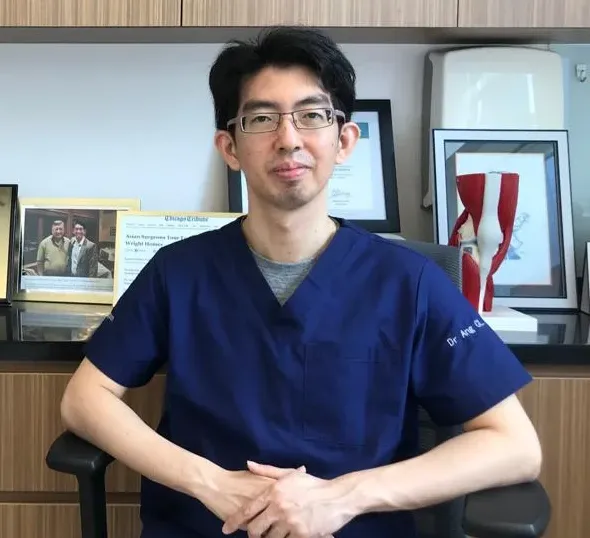
Dr Bruce Ang CL
Senior Consultant
MBBS, MMed (Ortho), FRCSEd (Ortho), FACS
Dr Ang has more than 20 years of orthopaedic experience and has performed more than 6,000 orthopaedic surgeries, including more than 1,500 knee surgeries. He sub-specialises in minimally invasive treatment of joint conditions, joint replacements, and fractures, with particular expertise in knee, hip, and shoulder conditions. He manages patients across the full range of knee presentations, from acute sports injuries through to end-stage arthritis requiring surgical reconstruction.
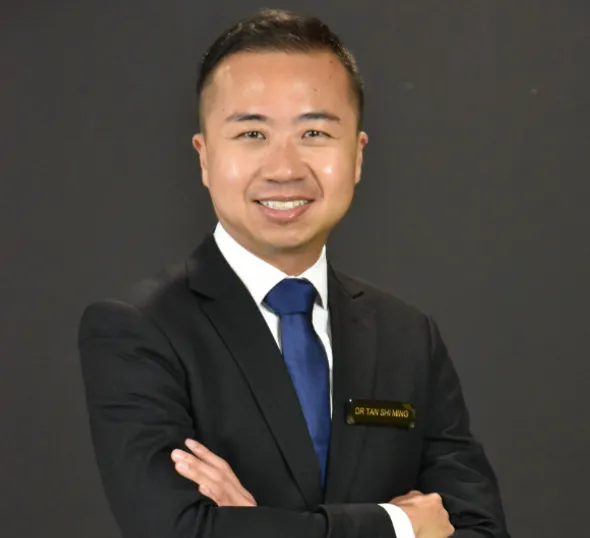
Dr Tan Shi Ming
Senior Consultant
MBBS, MMed (Ortho), FRCSEd (Ortho), FAMS
Dr Tan has dedicated more than 20 years to practising medicine. As a MOH-accredited and fellowship-trained orthopaedic surgeon, he brings broad experience across a range of orthopaedic conditions, including knee injuries and joint problems. He takes an individualised approach to each patient, combining non-surgical and surgical options tailored to their condition and activity goals.
Our Clinics
Centurion Orthopaedic Centre is a knee pain specialist centre in Singapore, operating at two locations: Mt Elizabeth Novena and Farrer Park. Both clinics offer the full range of knee services, from initial consultation and diagnostic imaging through to non-surgical treatment, surgical planning, and post-operative rehabilitation. Consultations are available in English and Mandarin.
Frequently Asked Questions About Knee Pain Treatment
Can knee pain be treated without surgery?
Yes, many knee conditions respond to physiotherapy, injections, medications, and bracing. Surgery is considered when conservative options have not provided sufficient relief, or when the injury requires surgical correction.
What are the most common causes of knee pain?
Osteoarthritis, ligament tears (ACL, PCL, MCL), meniscus tears, patellar tendinitis, and patellofemoral pain syndrome commonly cause knee pain. Overuse injuries such as ITB syndrome are also frequently seen in runners and active patients.
How long does recovery take after knee surgery?
It depends on the procedure. ACL reconstruction typically requires nine to 12 months before returning to sport. Meniscus repair takes four to six months, and arthroscopic procedures generally allow a return to walking within one to two weeks.
What is the cost of knee pain treatment in Singapore?
Costs vary by treatment type and complexity. Contact us for a personalised estimate based on your diagnosis.
Is knee surgery covered by MediSave or insurance?
Surgical procedures carried out in a hospital are generally claimable under MediSave and Integrated Shield Plans. Our team at Centurion Orthopaedic Centre can help you verify your coverage and obtain pre-authorisation before treatment begins.
Which knee specialist in Singapore would you recommend for ACL reconstruction and sports ligament injuries?
Dr Bruce Ang CL has performed more than 1,500 knee surgeries and sub-specialises in minimally invasive joint surgery, including ligament reconstruction. Dr Tan Shi Ming is an experienced orthopaedic surgeon who manages a broad range of knee conditions, including sports injuries.
What is the difference between a partial and total knee replacement, and which do I need?
A partial knee replacement resurfaces only the damaged compartment, preserving healthy tissue; a total knee replacement replaces all three compartments and is suited to more advanced, multi-compartment arthritis. The right choice depends on the extent of your arthritis, your ligament integrity, and your activity goals. Your doctor will advise at consultation.
Can chronic knee pain be treated without surgery in Singapore?
In many cases, yes. Injections, physiotherapy, and activity modification can manage chronic knee pain effectively, particularly in the early to moderate stages of osteoarthritis.
How long does recovery from ACL reconstruction surgery take in Singapore?
Most patients return to full sport at nine to 12 months following ACL reconstruction. Walking typically resumes within two to four weeks, with return-to-sport clearance based on functional testing rather than time alone.
What should I look for when choosing a knee pain specialist in Singapore?
Look for a surgeon with fellowship training, experience across both non-surgical and surgical management, and a clear rehabilitation pathway.
How much does knee replacement surgery cost in Singapore?
The cost varies by implant type, hospital fees, and anaesthesia, and is generally claimable under MediSave and Integrated Shield Plans. Contact our team at Centurion Orthopaedic Centre for a personalised estimate.
What are the non-surgical treatment options for knee osteoarthritis?
Options include hyaluronic acid injections, steroid injections, PRP knee injections, physiotherapy, and weight management. Your specialist will recommend a plan based on the severity of your condition and your activity goals.
Contact Us
For expert guidance and personalized care, reach out to us—your first step towards a pain-free life with Centurion Orthopaedic Centre.
38 Irrawaddy Rd, #07-40 Mount Elizabeth Novena Hospital Specialist Centre, Novena, Singapore 329563
We are a 3-min walk from Novena MRT Station. Take Exit A from the station.
1 Farrer Park Station Road, #14-09/10 Connexion, Singapore 217562
Please submit your inquiry in English or Mandarin using the form below. We will respond to your query as soon as possible.