PRP for knees uses a concentrated portion of your own blood containing platelets and growth factors involved in the body’s repair processes.
PRP preparations can differ in platelet concentration, white blood cell content and preparation method.
Whether PRP may be suitable depends on the cause and severity of your knee condition, previous treatment and individual health factors.
Table of Contents
Platelet-rich plasma (PRP) has been used in orthopaedic care for a range of joint and soft-tissue conditions. It is prepared from a patient’s own blood and contains a concentrated amount of platelets, which release growth factors involved in the body’s natural repair processes.
In this guide, we look at how PRP is prepared, why different PRP formulations are not necessarily the same, what the available research tells us and what you may need to consider before discussing PRP with an orthopaedic specialist.
Not sure what is causing your knee pain or whether PRP is relevant to your condition? Contact Centurion Orthopaedic Centre to arrange an orthopaedic assessment.
Understanding Platelet-Rich Plasma (PRP)
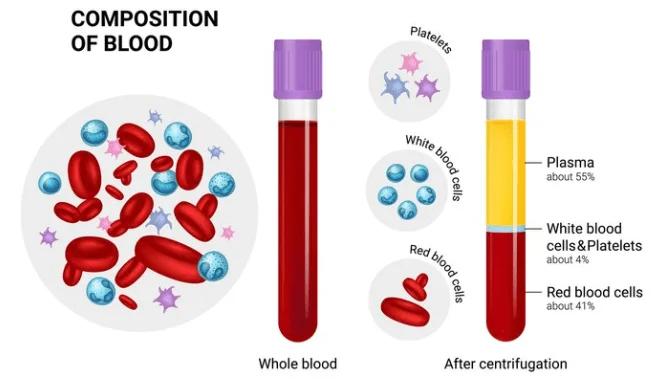
PRP is derived from a patient’s own blood. Blood contains several components, including plasma, red blood cells, white blood cells and platelets.
Plasma is the liquid component of blood and makes up around 55% of its total volume. It is the yellow-coloured fluid in which blood cells and platelets are suspended.
Platelets are best known for their role in blood clotting. They also contain growth factors and other signalling proteins involved in the body’s response to tissue injury.
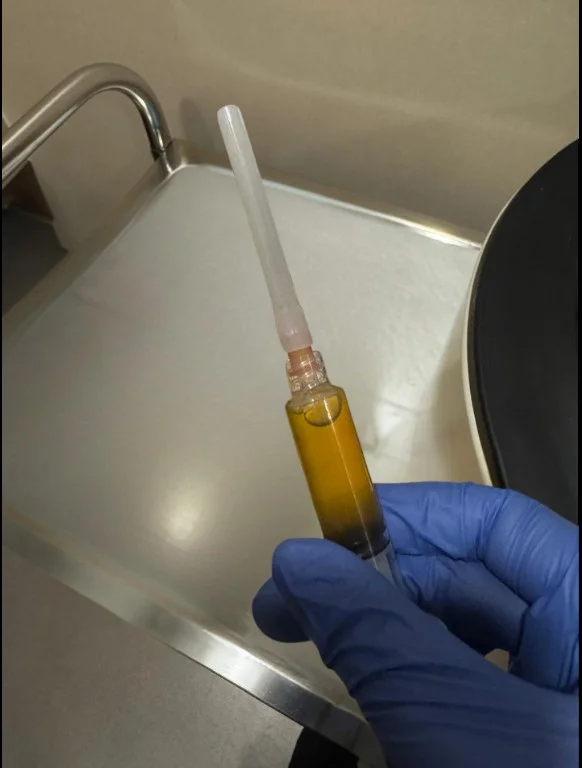
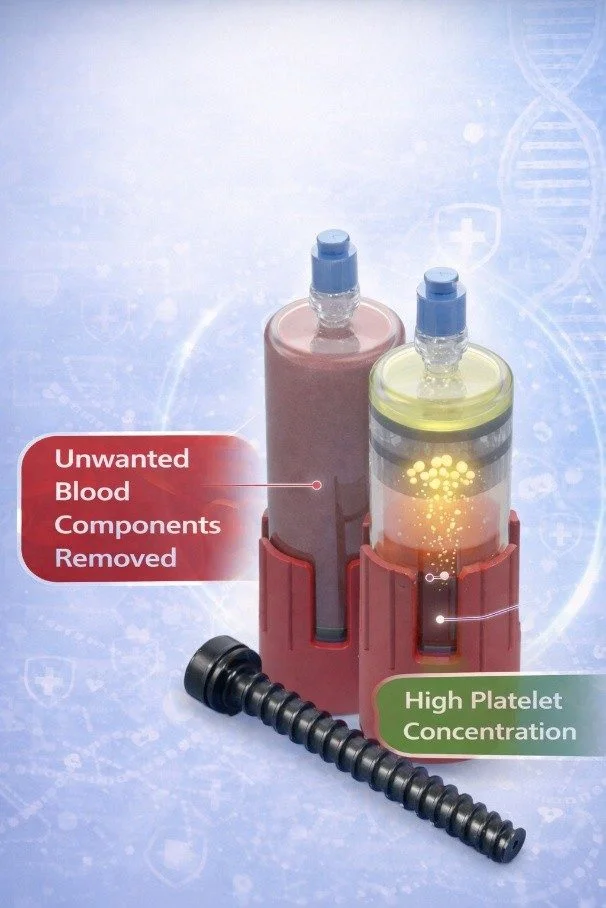
PRP is prepared by processing a blood sample to obtain plasma with a higher platelet concentration than normally found in circulating blood. When PRP is injected into a selected area, these platelets release growth factors involved in biological processes associated with tissue repair.
Importantly, the presence of growth factors does not mean PRP will necessarily regenerate damaged cartilage or completely heal an injured structure. Its clinical effects can vary depending on the condition being treated and the PRP preparation used.
How PRP Is Prepared and Why Formulations May Differ
The PRP Preparation Process
A small amount of blood is first drawn from your arm, similar to a routine blood test.
The blood is then placed into a centrifuge, which spins the sample to separate its different components. This allows the platelet-rich portion of the plasma to be collected and prepared for use.
The exact preparation process can differ between PRP systems. The amount of blood collected, centrifugation method and composition of the resulting PRP can vary.
This article focuses on how PRP is prepared and the evidence surrounding its use. For details on the injection procedure itself and what happens afterwards, see COC’s PRP Knee Injection service page.
Differences in PRP Formulations
PRP is not one standardised preparation. Different preparation systems can vary in platelet concentration, white blood cell content and other components of the final product.
Platelet concentration can vary too, and more platelets do not necessarily mean better results.
The Potential Role of PRP in Knee Conditions
PRP has been studied for several knee conditions, with research focusing on ligament tears, muscle injuries, and knee osteoarthritis. It has also been explored for certain tendon, ligament and meniscal injuries.
For knee osteoarthritis, PRP may help reduce pain and improve movement and everyday function in some people. However, results can vary because PRP preparations are not the same for every patient or knee condition.
PRP has also been well-studied for soft-tissue injuries because platelets release growth factors involved in the body’s natural repair processes.
Ultimately, whether PRP may have a role in your treatment depends on what is causing your knee symptoms and the nature and severity of the problem.
Factors to Consider Before PRP Treatment
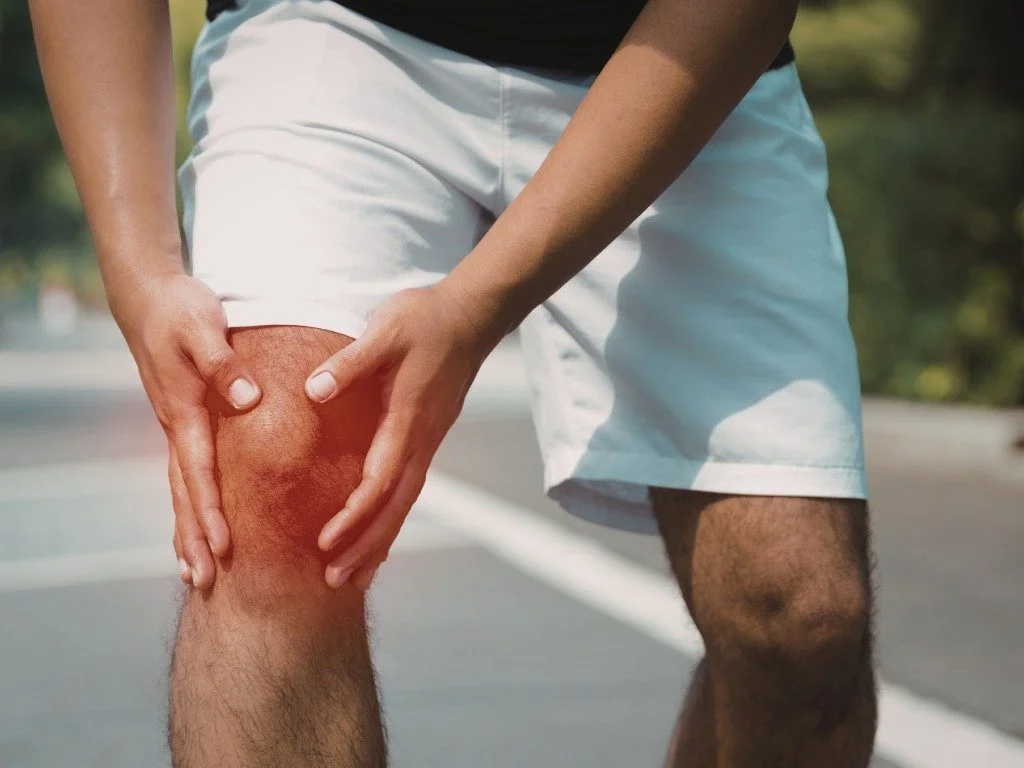
Having knee pain does not necessarily mean PRP is an appropriate treatment. Different knee conditions can cause similar symptoms, so establishing the underlying problem is an important first step.
Factors your orthopaedic specialist may consider include:
The cause of your knee symptoms: Knee pain may arise from osteoarthritis, meniscal injuries, ligament or tendon problems and other conditions that may require different approaches.
The nature and severity of the condition: The extent of joint degeneration or tissue injury can influence which treatment options may be considered.
Previous treatment: Your specialist may ask about treatments you have already tried, such as physiotherapy, activity modification, medication, bracing or previous injections.
Your medical history: Your general health, medications and other medical factors may need to be considered before treatment.
Your treatment goals: What you hope to achieve, such as reducing pain, improving everyday function or returning to a particular activity, can form part of the discussion.
The limitations of PRP: Individual responses vary, and PRP does not guarantee symptom improvement or structural healing.
Understanding the Available Evidence for PRP
Research into PRP for knee conditions is still developing, and its effects can vary depending on the problem being treated and the type of PRP used.
For knee osteoarthritis, PRP may help reduce pain and improve function in some people. However, not everyone responds in the same way, and your health profile matters. Also, it is important to distinguish symptom relief from structural healing. Less pain or moving more comfortably does not necessarily mean damaged cartilage has regrown or that underlying changes in the knee have been reversed. Symptom relief, however, can still improve a patient’s quality of life.
PRP is well established to stimulate tissue healing in ligament, tendon and muscle tear injuries or conditions. Especially for injury conditions, the patient may require repeated courses of PRP treatments to get the condition improved to the intended level.
Potential Risks and Limitations of PRP
As with all medical procedures, there are associated risks. As a minimally invasive treatment option, these risks are very low, and the PRP procedure is generally considered to be safe. The side effects are also minor when compared to surgical interventions.
Risks: Infection, minor bleeding, possible neurovascular injuries
Side Effects: Temporary pain, swelling, or bruising at the injection site.
Patients do not all respond in the same way. The underlying knee condition, its severity and differences in PRP preparation may all contribute to variation in outcomes. PRP may therefore be one treatment option as part of a broader management plan.
If you are considering PRP for a knee condition, WhatsApp Centurion Orthopaedic Centre to arrange an assessment and discuss the treatment options that may be relevant to you.
Key Takeaways About PRP for Knee Conditions
PRP is prepared from your own blood by separating and concentrating the platelet-containing portion of plasma. This treatment helps to stimulate the natural body response in tissue healing.
Most importantly, knee pain can have many causes. Understanding the underlying condition, its severity, your previous treatment and your individual circumstances can help determine whether PRP should be considered alongside other treatment options.