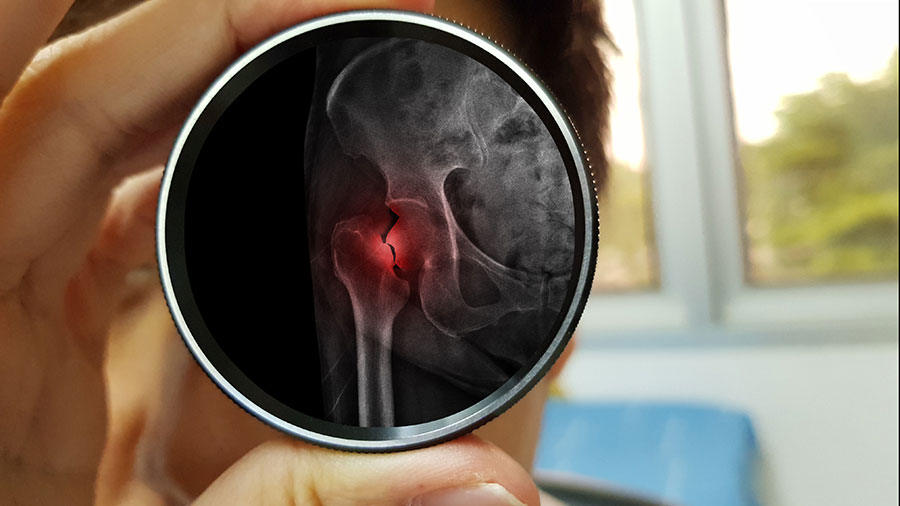
Dr Tan Shi Ming explains in a recent talk how osteoporosis can weaken your bones without any obvious symptoms, such that you may not know you have it until a fracture occurs.
Osteoporosis screening helps to identify those individuals with lower bone density and higher fracture risk before an injury happens.
Regular weight-bearing and resistance exercise can help you build and maintain stronger bones.
Good bone health also depends on adequate nutrition, including calcium, vitamin D and protein.
Taking care of your bones early can help protect your mobility and independence as you age
Most of us don’t think about our bones until something goes wrong, such as a wrist snapping during a fall or a back suddenly aching after bending down. These may feel sudden, but the bone loss behind them usually builds quietly for years.
Dr Tan Shi Ming, Senior Consultant Orthopaedic Surgeon at Centurion Orthopaedic Centre in Singapore, spoke on exactly this on 12 August 2026 at an iXchange Lunchtime Webinar titled “Don’t Wait for a Fracture! Osteoporosis Screening + Prevention.
His message was simple: bone health deserves your attention long before a fracture occurs, with osteoporosis prevention starting early through basic screening, exercise, nutrition and healthy lifestyle habits. We share the main points below.
Why Do Bones and Joints Matter for Staying Active?
Bones form the framework that keeps you upright, while joints give you the flexibility to move. Together, they let you walk, climb stairs, and lift things without a second thought.
Strong bones and joints also help you avoid the knock-on effects of reduced mobility, including complications such as infections and blood clots that come with prolonged bed rest.
What Happens to Our Bones as We Age?
Bone is living tissue, constantly broken down and rebuilt. Dr Tan described this with two simple roles: osteoclasts act as the “clean-up crew,” clearing away old bone, while osteoblasts act as the “construction crew,” building fresh bone in its place.
This is often compared to a bank account: you make deposits early in life, reach a peak, then slowly draw down. Peak bone mass is typically hit in your twenties to thirties, with diet and activity shaping the rest.
What Is Osteoporosis, and Why Is It Called a "Silent Disease"?
Osteoporosis occurs when bones lose their density and resultant strength, making them more brittle, fragile and prone to fractures. It is often called a “silent disease” because you may not notice any symptoms as your bones weaken.
Gradual height loss or a stooped posture can sometimes be signs of a spinal compression fracture that has gone unnoticed. This reinforces Dr Tan’s key message: looking after your bone health should start before a fracture happens.
What Are Some Common Myths About Osteoporosis?
In his talk, Dr Tan also addressed some of the misconceptions that keep people from taking bone health seriously.
Myth: Osteoporosis only happens to the elderly.
Truth: Hormone shifts like the drop in oestrogen after menopause, poor diet, certain medications, and reduced sun exposure can all speed up bone loss well before old age
Certain fractures also mean extended bed rest, ongoing help with daily tasks, and a caregiving burden that falls on family. Prolonged bed rest itself raises the risk of complications such as lung infections.
Who Should Consider Osteoporosis Screening?
Osteoporosis rarely announces itself before a fracture, which is whySingapore‘s clinical guidance recommends bone density tests for three groups in particular:
Men over 65: Bone loss tends to occur later in men, but the risk of osteoporosis still increases with age.
People with other risk factors: These include a family history of fractures, early menopause, previous falls, low body weight, smoking, excessive alcohol consumption or long-term steroid use.
Osteoporosis screening is simple and involves just a DEXA scan to measure bone density, together with an assessment of your individual fracture risk.
DEXA Scan
This bone density test, commonly known as a DEXA scan (dual-energy X-ray absorptiometry), is a quick and painless test available in Singapore that uses low-dose X-rays to measure the strength and density of your bones.
Your results are usually reported as a T-score, which compares your bone density with that of a healthy young adult:
-1.0 or above: Normal bone density
Between -1.0 and -2.5: Osteopenia (lower-than-normal bone density)
-2.5 or below: Osteoporosis
Regular scans can help to detect osteoporosis early and prevent fractures. How often you need one depends on your individual risk and the treatment started, as discussed with your doctor.
Other Assessments
Alongside DEXA, doctors may also use clinical risk assessment tools, blood tests, X-rays, and a review of any history of previous fractures to build a fuller picture of fracture risk.
It should not normally occur from everyday movement such as a cough, an awkward bend, or a minor trip.
Common Sites
Shoulder: Common after a fall and may limit arm movement and function.
Spine: Can occur with little or no obvious trauma and may cause back pain, height loss, or a stooped posture.
Pelvis: May result from a low-impact fall and can affect movement and daily activities.
Hip: One of the most serious fragility fractures and may significantly affect mobility and independence.
Wrist: Often occurs when trying to break a fall with an outstretched hand.
Can Exercise Help Strengthen Bones?
Yes. Weight-bearing activity, walking, running, and resistance training are among the most effective ways to strengthen bones. This is based on Wolff’s Law, first described by German surgeon Julius Wolff in 1892:bone adapts to the degree of mechanical loading placed on it. More loading makes bone stronger, and less loading (through inactivity) weakens it. As Dr Tan puts it, “use it or lose it.”
He advises that you should aim for daily activity where you can, or a minimum of three to four sessions a week, 30 to 45 minutes each, mixing exercise types rather than relying on one.
Incorporating daily weight-bearing activities into your daily routine and participating in family or community-based activities can also make it easier to stay consistent.
The same principle applies during fracture healing and to managing existing osteoporosis, where targeted exercise programmes can help slow bone loss. If you already have osteoporosis, the type and intensity should still be guided by a suitably qualified professional rather than taken up without assessment. Also Read:How to Keep Your Bones and Joints Healthy as You Age
What Lifestyle Habits Support Better Bone Health?
Alongside exercise, good nutrition and healthy everyday habits also play an important role in keeping your bones strong.
Nutrition
Calcium, vitamin D and protein, alongside adequate hydration and a healthy body weight, matter most. Dr Tan suggested aiming for around 1,000mg of calcium and 1,000IU of vitamin D a day, ideally from food first.
Calcium sources:
Dairy (milk, cheese, yoghurt)
Leafy greens (kale, broccoli)
Sardines and salmon eaten with their bones
Fortified soy, cereal and juices
Vitamin D sources:
Sensible sun exposure
Fatty fish (salmon, sardines)
Egg yolks
Fortified foods
Healthy Habits
Beyond diet, avoiding smoking and excessive alcohol, going for regular screening where appropriate, and seeking medical attention early all support long-term bone health.
What Should You Do If You Sustain a Fracture?
If you suspect you have sustained a fracture, getting it assessed promptly can help prevent further injury and guide the right treatment. Here’s what you should do:
Seek medical care promptly, even if the injury seems minor.
Keep the affected area still and avoid unnecessary movement or pressure.
Manage pain appropriately while waiting for medical assessment.
See an orthopaedic specialist, as the next steps will depend on the type and severity of thefracture and your overall health.
Once osteoporosis is diagnosed,treatment focuses on strengthening your bones, reducing further bone loss and lowering your risk of fractures. Surgery may be needed if a fracture has already occurred.
Lifestyle and Exercise
Adequate calcium and vitamin D, together with appropriate weight-bearing and resistance exercise, can help support bone strength. Staying active also helps maintain muscle strength, balance and mobility, which can reduce your risk of falls.
Alendronate: A bisphosphonate usually taken as a weekly tablet
Zoledronic acid: A bisphosphonate given as a once-yearly infusion
Denosumab: An antiresorptive medication given by injection roughly every six months
Teriparatide: A bone-forming medication given by daily injection, typically for around two years
Romosozumab: A bone-forming medication given by monthly injection, typically for around one year
Bone-forming medications like teriparatide and romosozumab are usually followed by an antiresorptive agent afterwards, and most treatment courses run about three to five years in total.
The medication, duration and follow-up you need will depend on your individual fracture risk and response to treatment.
Fall Prevention
Preventing falls is another important part of osteoporosis management. Improving strength and balance, addressing potential hazards at home and reviewing factors that may increase your risk of falling can all help protect weakened bones from injury.
Surgery for Osteoporosis-Related Fractures
Osteoporosis itself is generally managed without surgery, but an osteoporosis fracture may require an operation depending on its location and severity.
Treatment can range from non-surgical management to surgical fixation with plates, screws or other devices. Some fractures, particularly around the hip, may requirejoint replacement.
What Is Dr Tan's Take-Home Message on Bone Health?
Bone health deserves attention throughout life, not only after a fracture. Regular weight-bearing activity, good nutrition, and screening based on individual risk all help protect your bones as you age. As Dr Tan says, the idea is to keep loading the bones and keep the joints moving.
If any of this sounds familiar,Dr Tan Shi Ming can help. At Centurion Orthopaedic Centre, Dr Tan will weigh your lifestyle and health profile before recommending any next step
At what age should I start screening for osteoporosis?
No single age fits everyone. Postmenopausal women and men over 65 are generally at higher risk, but anyone with relevant risk factors may be worth discussing with a doctor regardless of age.
What is a DEXA scan and what does it measure?
A painless, non-invasivebone density test producing a T-score, comparing your bone density to that of a healthy young adult.
Can osteoporosis occur without symptoms?
Yes, it’s often called a silent disease. Gradual height loss or a stooped posture can occasionally be subtle early signs.
Can exercise help strengthen bones if I have osteoporosis?
Appropriate weight-bearing exercise can help, but a suitably qualified professional should guide type and intensity.
What foods and nutrients are important for bone health?
Calcium, vitamin D and protein matter most. Good sources include dairy, leafy greens, sardines or salmon with bones, fatty fish, and egg yolks.
Can osteoporosis be treated once bone loss has started?
Yes. Multiple well-studied options exist spanning lifestyle, medication and fall prevention, and earlier treatment generally preserves more bone strength.